

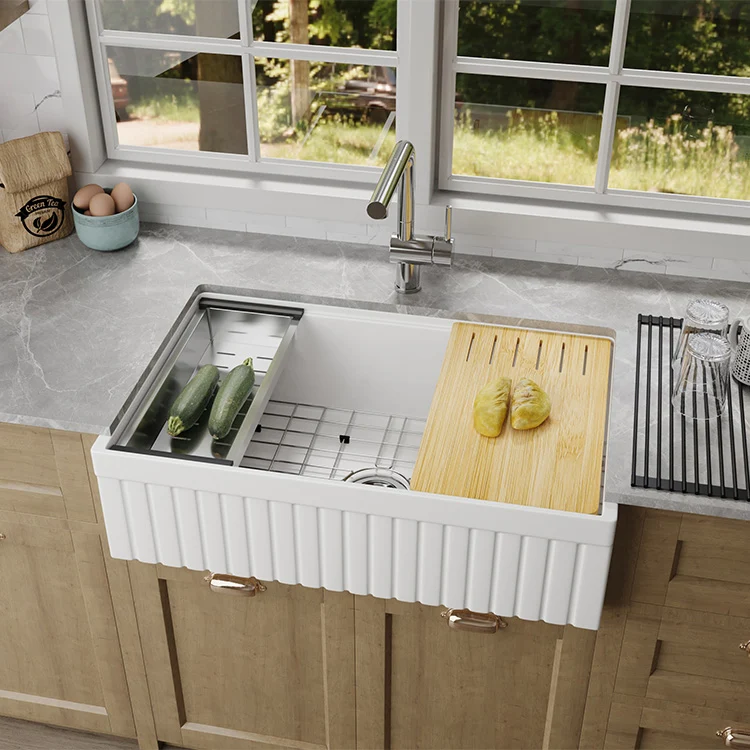
His factory floor in Foshan has been shipping kitchen and bath fittings into homes and hotels across North America for twenty-five years. He talks about ceramics the way an engineer talks about aircraft parts, in tolerances, revisions, and accountability, not trends. Alisha Maindola of Design Diary International speaks with Rokan Liu of SANIKB about why certification has to happen before tooling, what it actually takes to keep 1,860 units consistent across five phases, and why cost is no longer where Chinese manufacturing wins.
Twenty-five years ago, price, tooling capability and volume were enough to win a buyer over. That’s not where the conversation starts anymore, according to Rokan Liu, who’s watched the expectations around him shift from what a factory could produce to what it could be trusted to protect, market-specific compliance, revision-controlled drawings, product data that doesn’t change shape between one production lot and the next. Manufacturing itself has changed jobs, in a sense. It used to mean adapting a domestic design for export. Now it means building a product around how a specific market installs it, uses it, lives with it, which means industrial design, plumbing interfaces, cabinet clearances and finish tolerances all have to be worked out together rather than solved one after another.
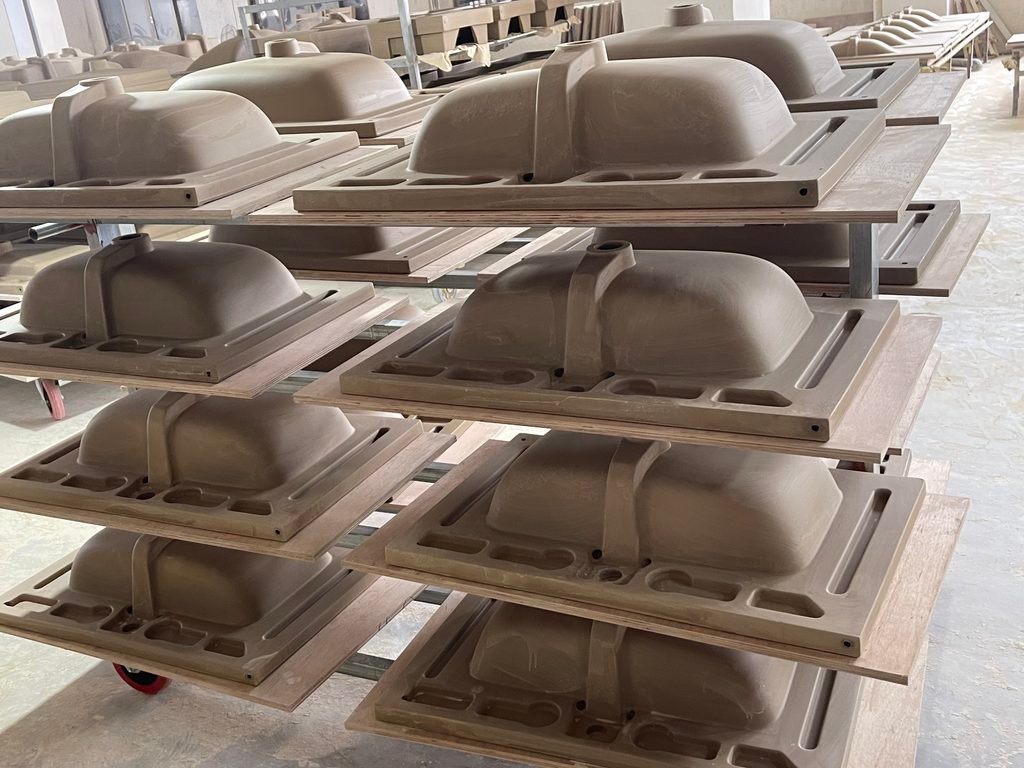
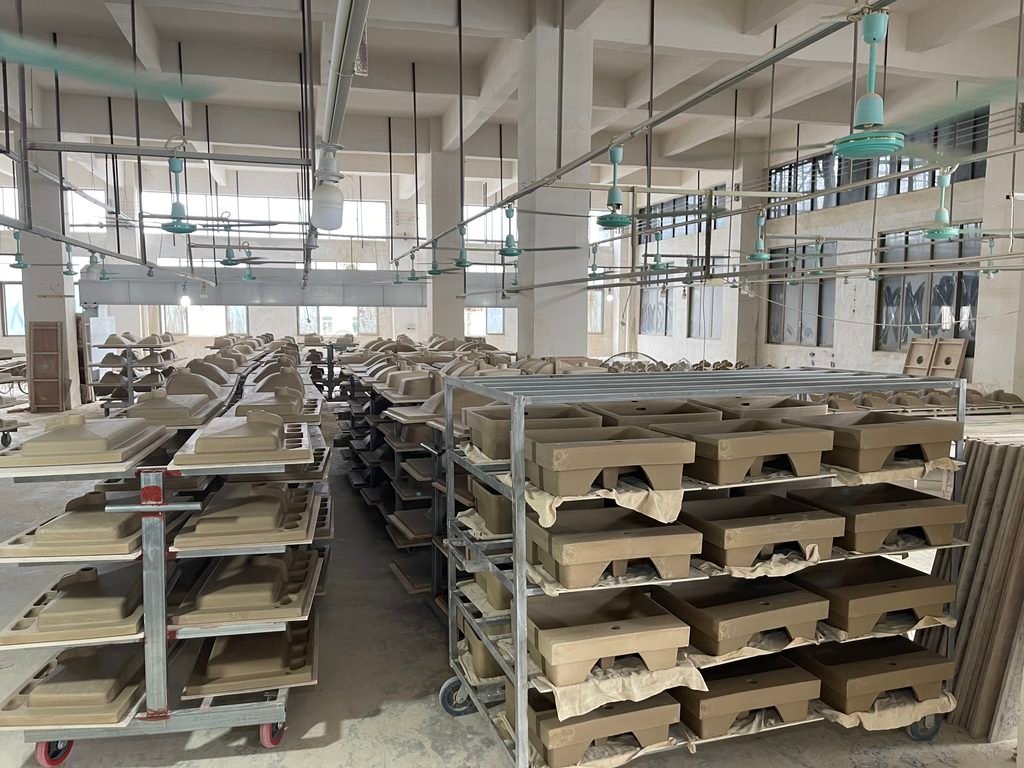
SANIKB runs its own ceramic and fireclay plant in Foshan and sources everything else, faucets, quartz, stainless steel, through a network of audited partners. “Our role is not simply to fill a container,” Liu says. “It is to translate a buyer’s brief into a controlled product specification and then protect that specification through sampling, certification, production, inspection, packing and repeat orders.” Behind that division sits a fairly simple observation: no single factory can credibly claim mastery over every material it touches. Ceramic answers to body formulation, glazing and kiln control. Faucets answer to metallurgy and plating. Quartz and stainless steel carry their own capital demands entirely. So SANIKB keeps the category closest to its identity in-house and holds its partner network to the same bar it holds itself, an arrangement Liu is careful not to let sound like outsourcing. Auditing a supplier, in his framing, isn’t the same as handing them responsibility. SANIKB still owns the approved specification, the bill of materials, the inspection criteria, the corrective-action process, whoever’s actually running the line.
Certification is where that discipline gets stress-tested. SANIKB holds cUPC and IAPMO approval for the U.S. and Canadian markets, and for Liu, that isn’t paperwork tacked on at the end, it’s a design input from the first sketch. Wait until after tooling to think about it, and the usual outcome is delay, redesign, or a certified sample that no longer resembles what actually ships. So the destination market gets defined precisely up front, drawings and materials get checked against what that market requires, and once a configuration is approved, nothing about it moves casually. “A component, dimension or material cannot be changed casually simply because it looks equivalent,” he says.
Ask Liu about the multi-phase hotel refits and residential developments SANIKB supplies, sometimes running to thousands of units, and he’ll tell you the hard part was never getting the first approved unit right. “It is making the final unit, months later, match the same intent.” An approved drawing, a locked colour standard, a golden sample every subsequent piece gets measured against, all of it exists so a small improvement introduced halfway through a rollout doesn’t quietly become a mismatch by the final phase. One project he cites, 1,860 units delivered across five phases, turned out to be less about manufacturing volume and more about something closer to information discipline, cartons correctly identified, replacement protocols already sorted before the first shipment even left the dock.
The product development process follows a similarly stubborn sequence. A buyer’s brief becomes a requirements document before any design work starts, so ambiguity gets resolved early instead of surfacing expensively once tooling is already cut. Concept, CAD, design-for-manufacture review, each stage happens before a design earns the status of what Liu calls the golden sample, the reference every later unit gets measured against. As he puts it, the entire sequence exists to prevent what he calls tooling first, solving later. “Tooling should confirm a resolved product,” he says, “not become the place where unresolved decisions are discovered.”
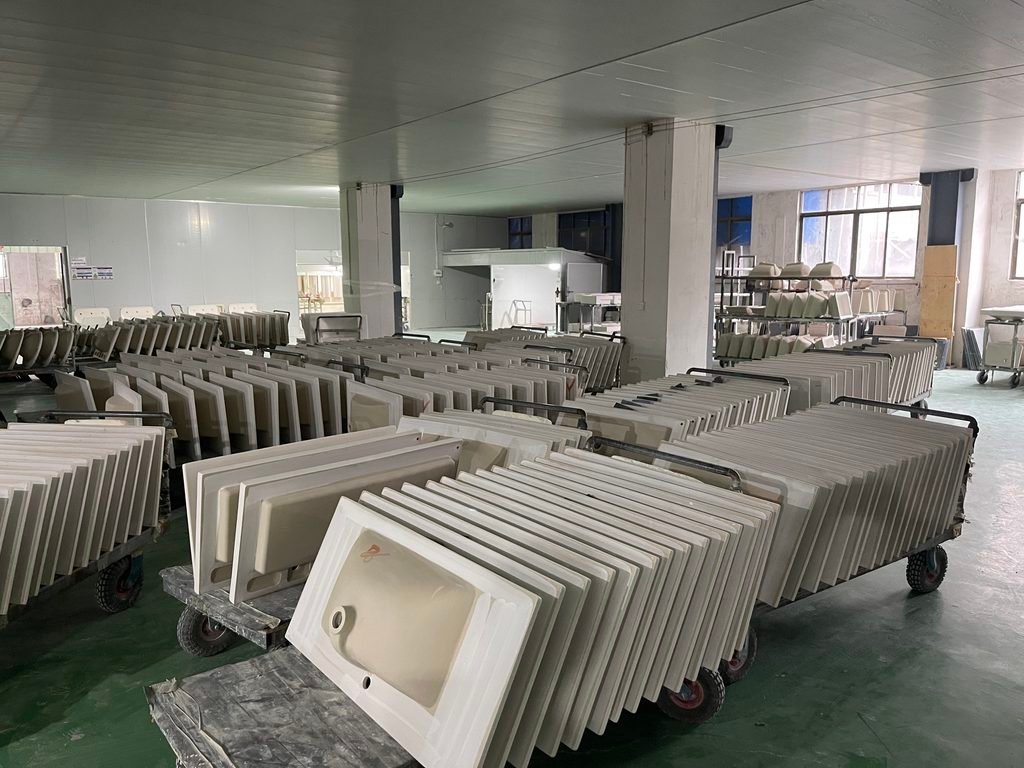
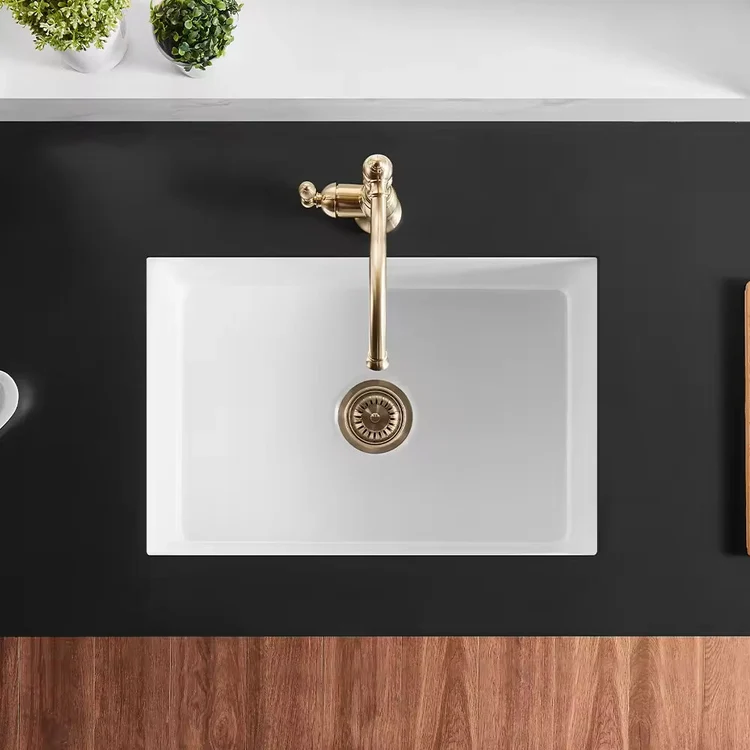
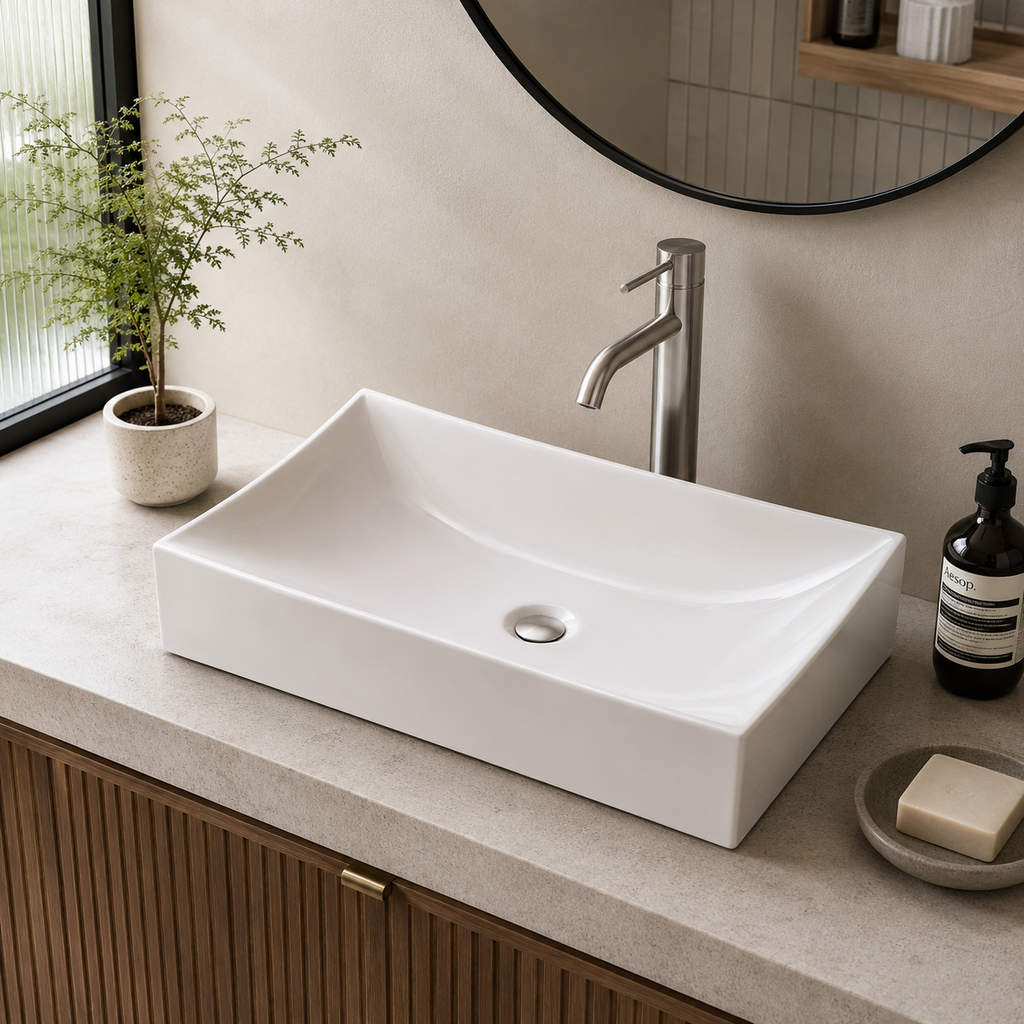
Selling into markets as different as U.S. big-box retail, the Middle East and Latin America is where most brands start to blur into something generic, chasing what Liu calls a cosmetic average. His answer is to split every product into two layers instead: a core idea, proportion, geometry, the task it’s meant to perform, and a market-specific configuration, mounting method, plumbing interface, packaging, that adjusts without touching that core. A basin, in his example, can hold the same visual character everywhere even as its drain and dimensions shift to suit a regional installation standard. “The better approach is a disciplined platform,” he says, “one clear product logic with controlled regional variants.”
Trade shows function less as trend-spotting for SANIKB and more as structured research. Liu goes into KBIS and Expo Revestir with specific questions already set, then comes out having logged the objections installers keep raising, the material pairings buyers won’t stop asking about, the gaps nobody’s filled yet. Some of it turns into a new product brief. Just as often, it turns into a decision not to chase something. “Disciplined product direction,” he says, “is partly about knowing what not to add.”
Where does Chinese manufacturing actually win over the next five years? Not on cost, in Liu’s telling, which has been the industry’s calling card for decades. He points instead to accountability, the ability to combine design, compliance, reliable data and after-sales support without losing control as programs scale, something he thinks matters more as buyers carry leaner inventories and launch more regional variants than they used to. “The companies that make that capability transparent, and accept responsibility from the first drawing through the replacement part, will become long-term product partners rather than interchangeable vendors.”
Twenty-five years in, that’s still the thing Liu keeps circling back to. Not the sink, not the finish, not the show floor, but the promise sitting behind the spec sheet, and whether it holds all the way to the last container.
sanikb.com.
