
Underfoot
The floor is the only surface in architecture that the body cannot ignore. Everything else can be looked away from. The floor is always there, underfoot, and what it is made of, how it is laid, and what it carries in its pattern and its material and its age shape the experience of a space in ways that most people feel without ever being able to name.
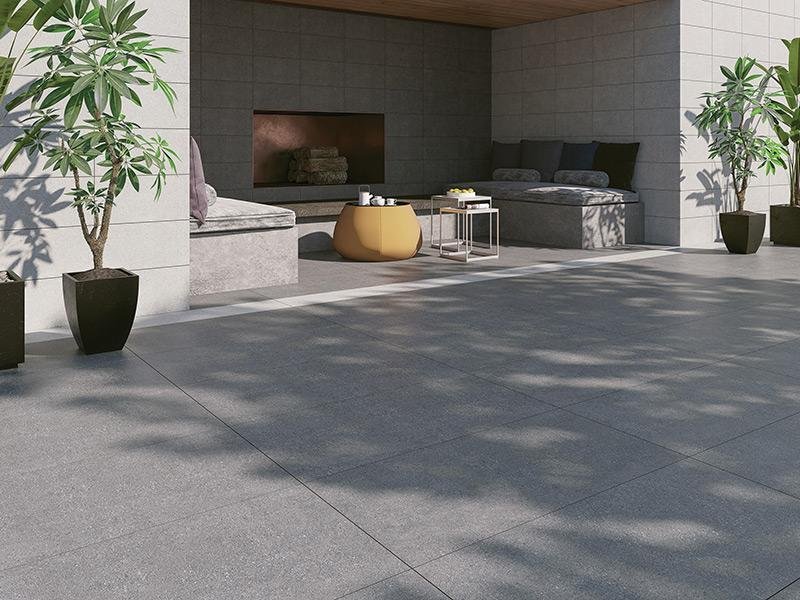
Consider what people do when they want to change a room. They repaint the walls or reupholster the furniture. They replace the light fittings, rehang the curtains, bring in new objects, and move things around. They do almost everything except change the floor, and they do not change the floor not because it is unimportant but because changing it is an act of such consequence and such commitment that most people will live with a floor they do not love for decades rather than face the disruption of replacing it. The floor is the most permanent decision in any interior, which means it is also the most revealing one. It is the surface that stays when everything else has moved on, that outlasts the fashions and the repainting and the furniture changes that accumulate above it across the life of a building. In old houses, the floor carries the memory of every life that has been lived in the rooms above it, in the paths worn smooth between door and fireplace, in the threshold stone polished by generations of hands and feet, and in the slight hollows that form over centuries at the places where people have stood and turned and stood again. No other surface in a building accumulates time this way. The floor is where the building keeps its history, and it is the surface through which that history is most directly communicated to the body of the person standing in the room, whether they are aware of it or not.
This is not a minor observation about interior decoration. It is a description of one of the most consequential and least examined relationships in the history of architecture, the relationship between the surface beneath a person’s feet and the meaning of the space they are standing in. Every great architectural tradition in human history has understood this relationship and worked with it deliberately, treating the floor not as a finishing material applied after the real design decisions have been made but as one of the primary surfaces through which a building communicates its intentions about order, hierarchy, beauty, and the nature of the world. The contemporary design industry’s treatment of flooring as a specification decision made late in the process, chosen from a catalogue after the plan has been resolved and the budget has been reduced, represents a narrowing of architectural intelligence that would have been entirely incomprehensible to the people who laid the floors of the Alhambra, the Pantheon, the great Ottoman mosques, or the brick floors of the farmhouses of Tuscany and the Netherlands that are still, centuries after they were laid, among the most beautiful surfaces that domestic architecture has ever produced.
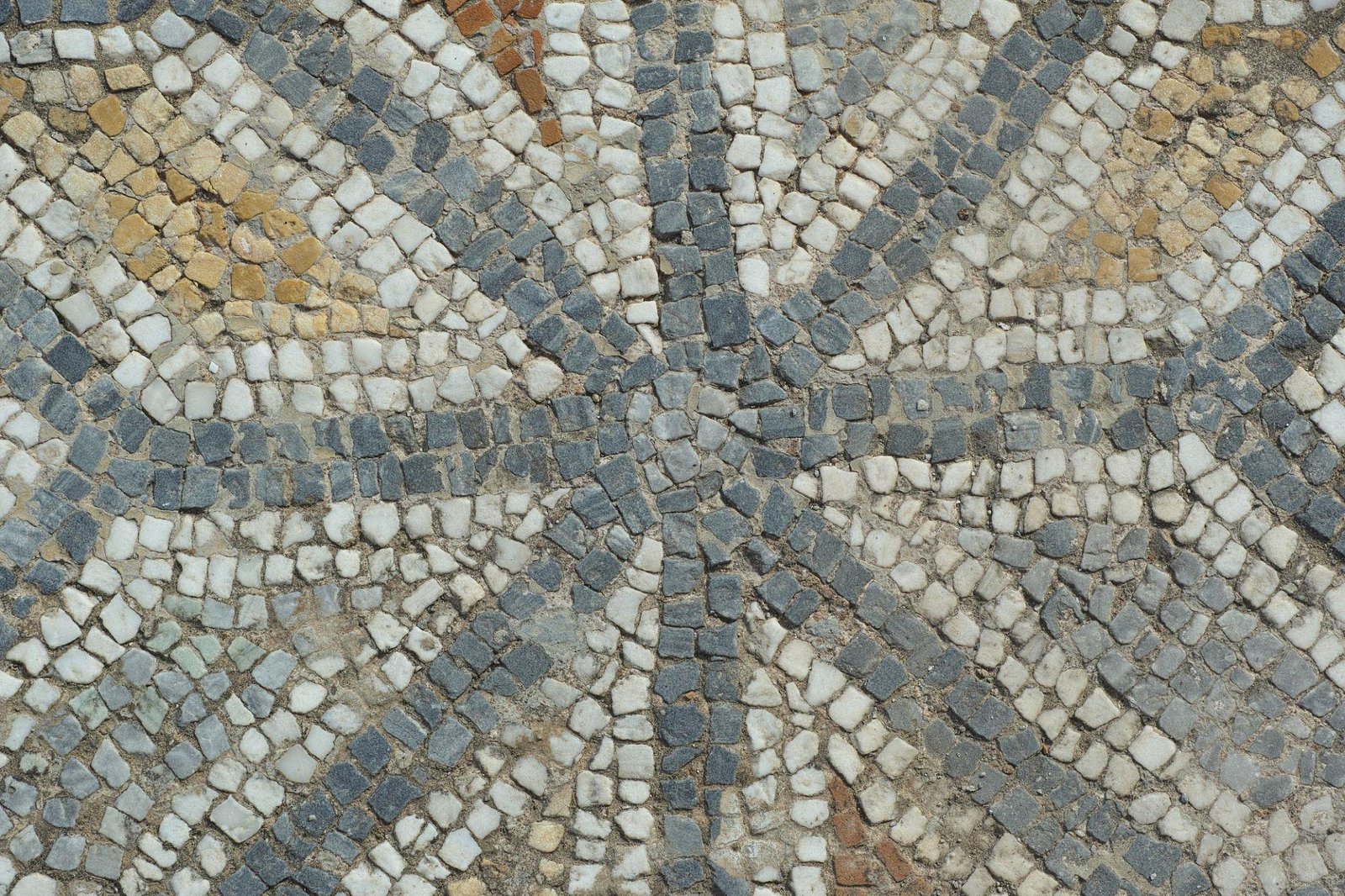
The ancient world left behind floors that make the contemporary design conversation about materiality look timid by comparison. In the House of the Faun in Pompeii, a mosaic floor assembled from nearly one and a half million individual tesserae of glass and stone depicts the Battle of Issus, in which Alexander the Great defeats Darius III of Persia, with a level of pictorial ambition and technical refinement that would be remarkable as a panel painting and is extraordinary as a floor. The foreshortening of the dying horse on the left side of the composition alone represents a degree of pictorial sophistication that European painting would not recover for the better part of a thousand years. But what matters here is not the quality of the image, which is genuinely exceptional, so much as the decision to put it on the floor, to make a surface that people walked across, that servants swept, and guests stood on at dinner parties, the occasion for one of the most ambitious works of pictorial art in the Roman world. The Romans who commissioned and inhabited that floor understood something that the contemporary industry has largely lost, which is that the floor is not the background to the room. It is the room’s first statement, and everything that happens above it either confirms or contradicts what it has already said.
The geometric mosaic floors found throughout Pompeii and across the Roman world more broadly were not decorative in the contemporary sense of the word, which implies something added to a surface for visual interest after its functional purposes have been satisfied. They were communicative in a precise and deliberate way, conveying information about the values, the social position, the cultural references, and the cosmological understanding of the people who commissioned them. A floor decorated with marine creatures in a Roman dining room was a statement about the abundance of the sea and the wealth of the household that could command it. A geometric pattern at the threshold of a room was a boundary marker, a signal that the person crossing it was entering a space governed by a different set of social rules. The Romans used their floors the way contemporary architects use their facades, as the surface most immediately legible to anyone approaching or entering a space, and they devoted to them a corresponding level of design intelligence and material investment. The Pantheon, whose floor of alternating circles and squares in giallo antico, porphyry, and granite has been in place since the second century, is a building that most visitors look up at the moment they enter, drawn by the oculus and the famous coffered dome above them. The floor is equally considered, equally specific in its geometry, and equally essential to the experience of the space, its pattern of warm yellows and deep purples and the grey-green of the granite creating a surface that holds the enormous room together from below with the same authority that the dome holds it from above.
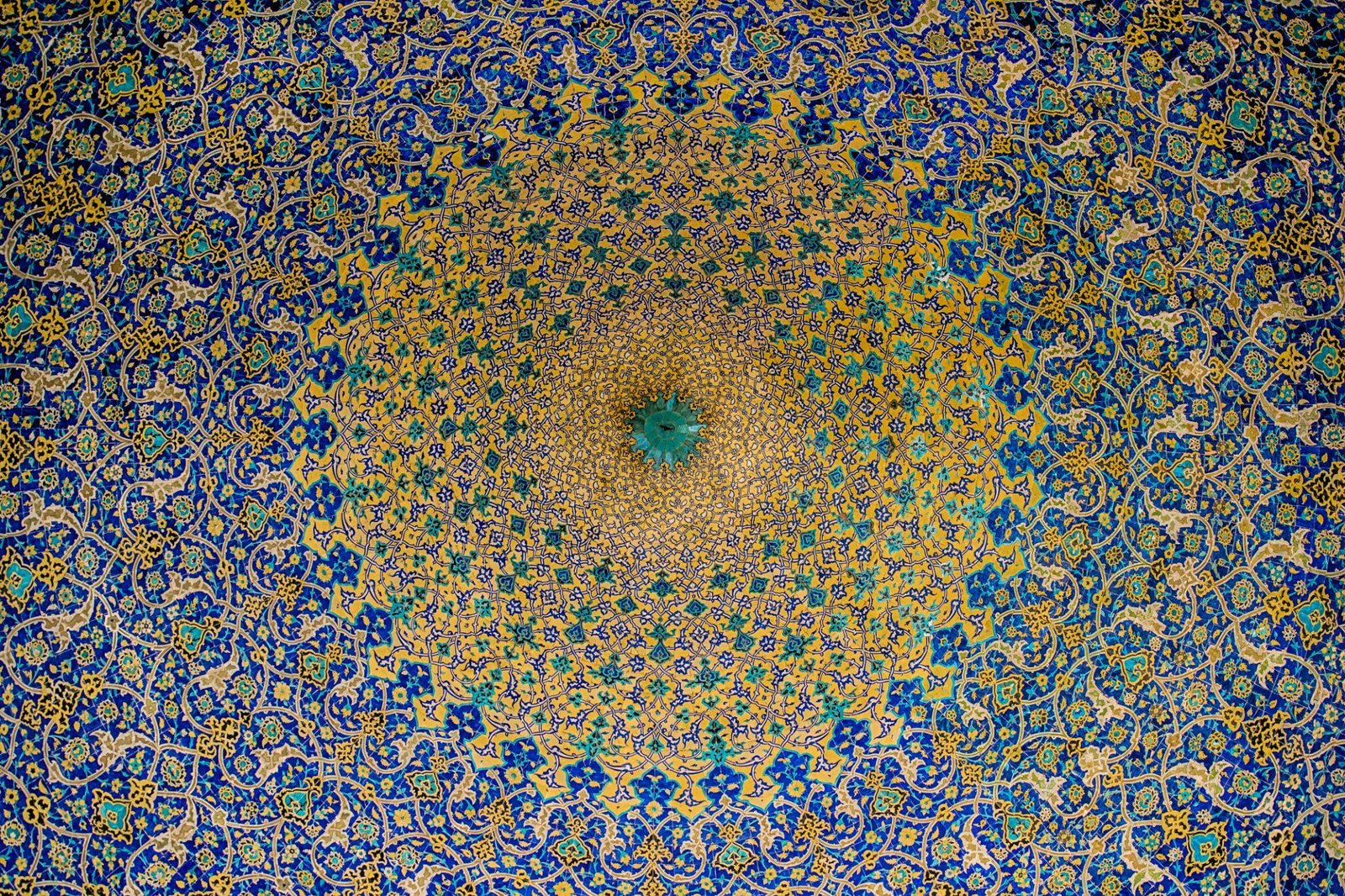
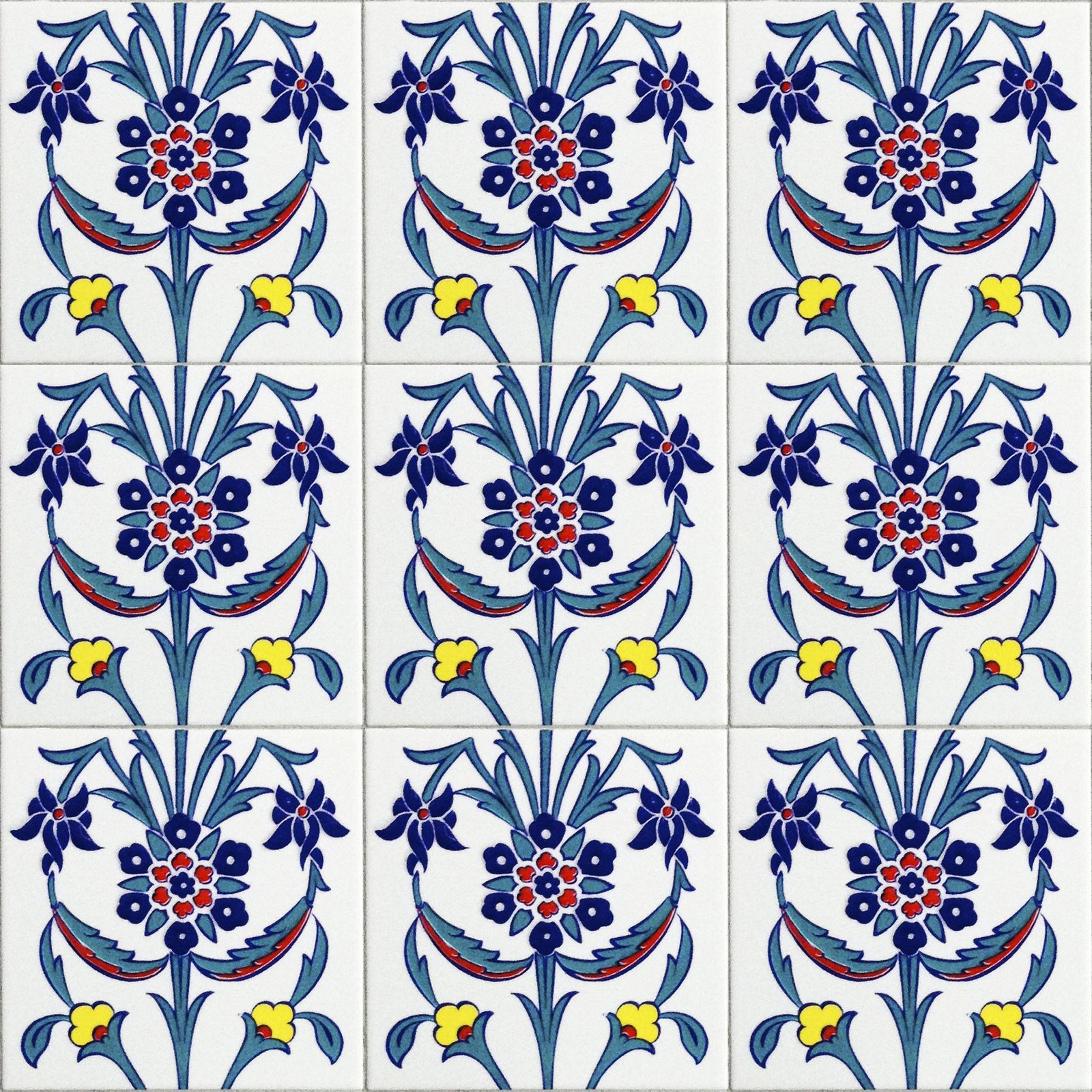
The Islamic architectural tradition carried the design intelligence of the floor to a level of geometric complexity and philosophical ambition that has never been surpassed in the history of any building culture. The tile work floors of the Alhambra in Granada, of the great mosques of Isfahan, and of the Ottoman imperial mosques of Istanbul are not patterns in any decorative sense. They are arguments about the nature of the infinite, encoded in the mathematical logic of geometric repetition and worked out in ceramic and stone with a precision that required a level of mathematical understanding that European architecture would not fully develop for several more centuries. Islamic art’s prohibition on figurative representation directed the creative energy of its architectural tradition toward geometry, and the floor became one of the primary surfaces on which that geometry was pursued in its most complex and rigorous forms. A craftsman in fourteenth-century Granada working on the tile work of the Alhambra was not a decorator in any diminished sense of the word. He was working within a tradition that understood geometry as a form of theology that saw in the infinite extension of a repeating pattern an image of divine order that human reason could approach but never fully comprehend. The floors of the Alhambra encode this understanding in every tile and every joint, and walking across them, which visitors still do today, produces a different quality of spatial experience than looking at any other surface in the building, because the geometry is beneath the feet rather than before the eyes, and the body’s relationship to it is physical and continuous rather than visual and intermittent.
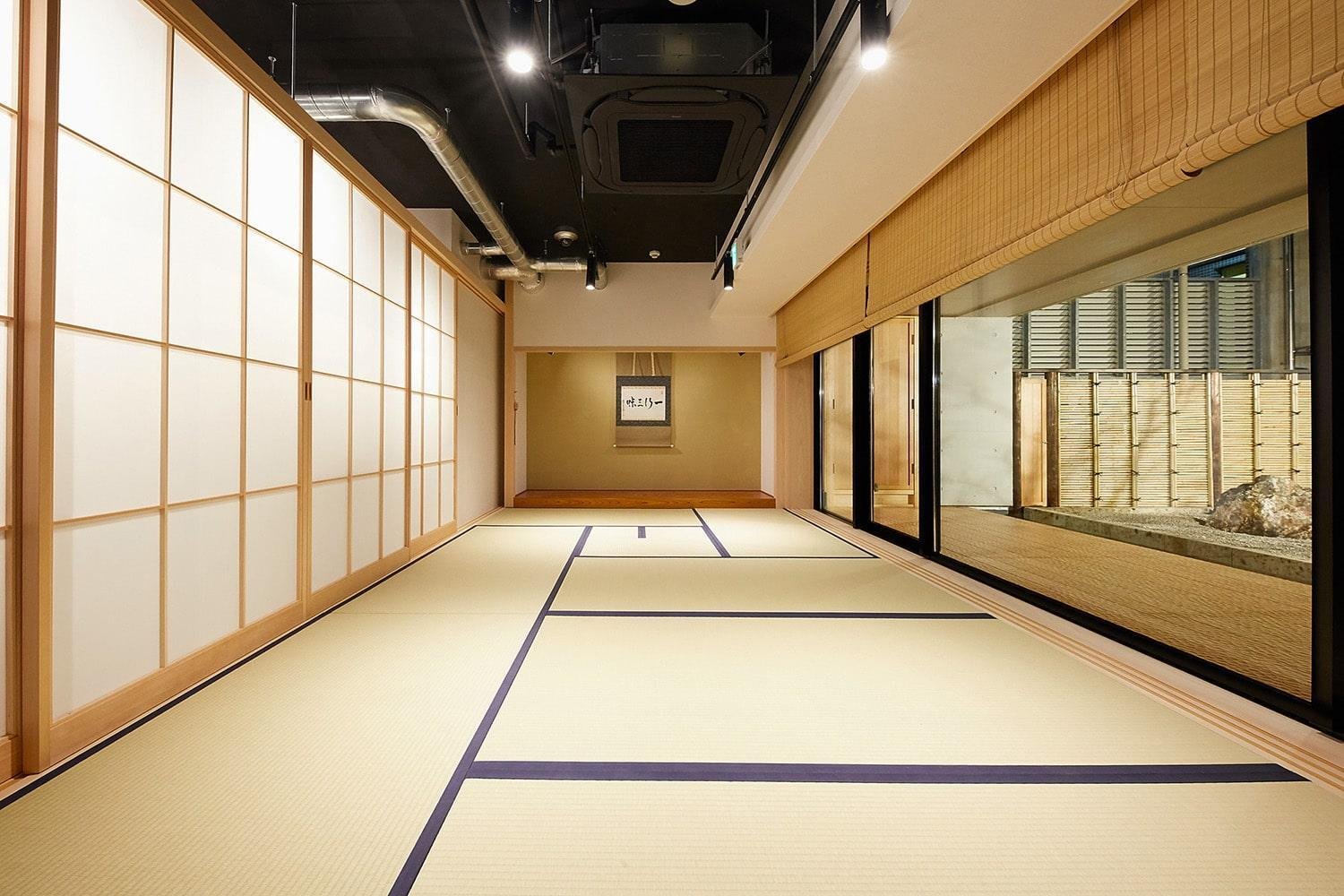
In Japan, the relationship between the floor and the life lived above it is more explicit and more socially codified than in any other architectural tradition, and it has produced one of the most distinctive and most consequential floor materials in the history of building. The tatami mat, made from a core of rice straw covered with woven rush grass, has been the defining floor surface of Japanese domestic and ceremonial architecture for over a thousand years, and its influence on the spatial character of Japanese interiors extends far beyond the material itself. Tatami rooms are measured in mats, making the floor not just a surface but the room’s measuring unit and the organizing principle of the building’s spatial system. The floor determines the plan, and the plan determines everything. The removal of shoes before entering a tatami room is not a practical measure for keeping the surface clean, though it serves that purpose as well. It is a ritual acknowledgement of the boundary between the outside world and the interior space, a gesture of respect for the floor and for the life that takes place above it, an understanding that the surface underfoot is not neutral but charged with meaning and deserving of deliberate attention.
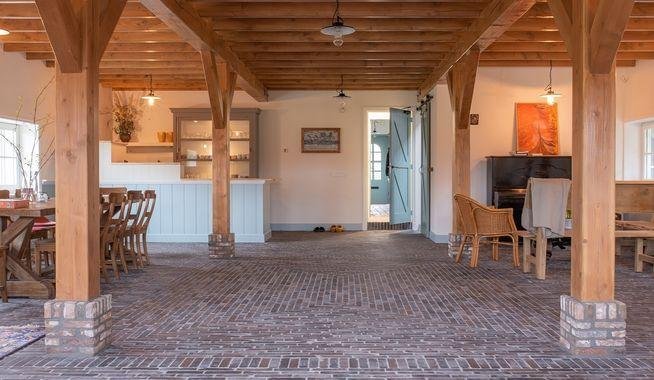
The floor traditions of Europe’s vernacular architecture are less philosophically codified than those of the great formal traditions but no less intelligent in their use of material and pattern, and they have produced surfaces of extraordinary quality and enduring influence. The brick floors of Tuscany and the Netherlands, laid in herringbone patterns across farmhouses and civic buildings that have been in continuous use for four and five centuries, are among the most beautiful surfaces that domestic architecture has produced anywhere in the world. They are beautiful not because of any particular design ambition but because of the qualities of the material itself, the warm terracotta tones of handmade brick, the irregularities of surface and color that give each floor its individual character, and the way the herringbone pattern creates a directional energy that moves with you through a room rather than stopping the eye in any one place. These floors age magnificently. The high points of the pattern wear down slightly under centuries of foot traffic, producing a surface that records the history of the life lived above it in the most direct possible way, in the paths worn smooth between door and fireplace, between table and threshold, and between the places where people have stood and moved and lived for generations. No manufactured floor covering can do this. It is a quality available only to materials that are genuinely what they appear to be and that have been given the time to become fully themselves.
Carlo Scarpa’s use of brick flooring in several of his most important projects, most notably in the ground floor rooms of the Querini Stampalia Foundation in Venice, which he renovated in the early 1960s, represents perhaps the most instructive modern example of what a floor can do when it is treated as a primary design element rather than a finishing material. Scarpa raised the floor of the Querini Stampalia slightly above the level of the surrounding canal, using a system of stepped brick platforms that acknowledge the presence of the water outside while protecting the interior from flooding, and the floor he designed for that space is a composition of extraordinary refinement, a pattern of brick and Istrian stone that creates a dialogue between the local vernacular material and the classical building tradition of Venice, between the practical need to manage the relationship between the building and its watery site and the spatial and aesthetic ambitions that any serious architect brings to the design of a room. The floor resolves all of these considerations simultaneously, and it does so in a way that is immediately and continuously present to anyone who moves through the space, not as an object of conscious attention but as the ground condition of the entire experience.
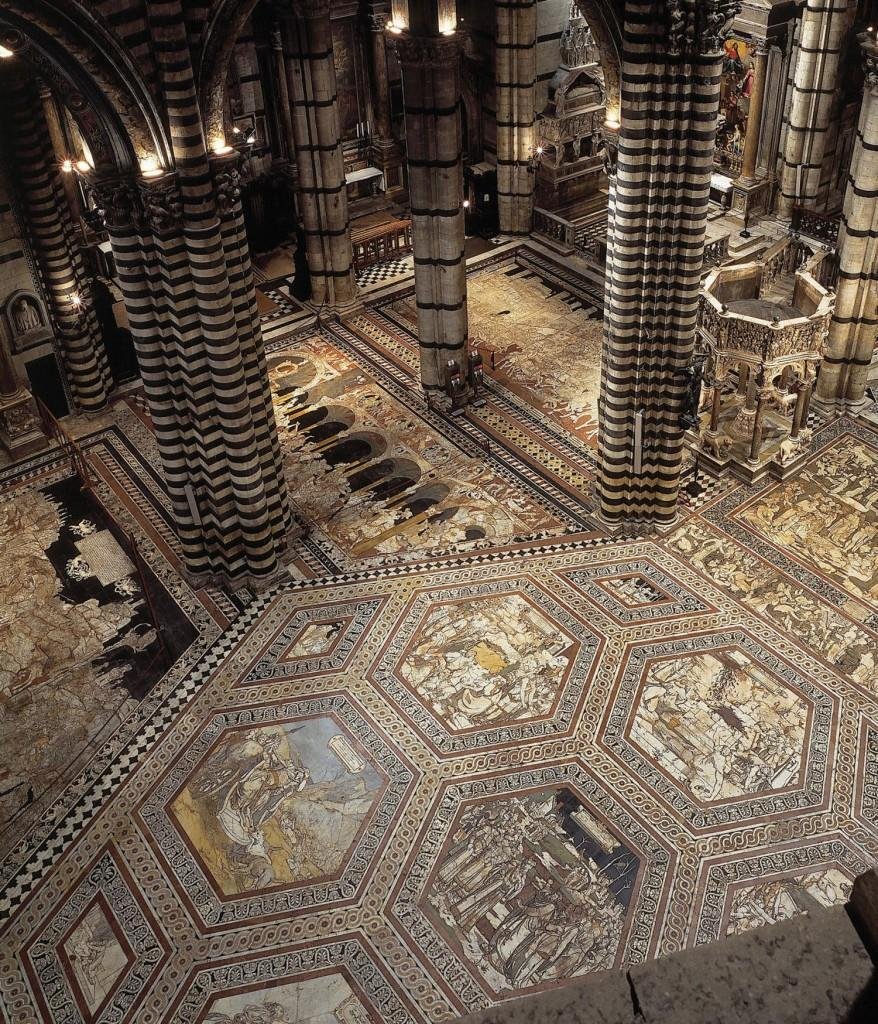
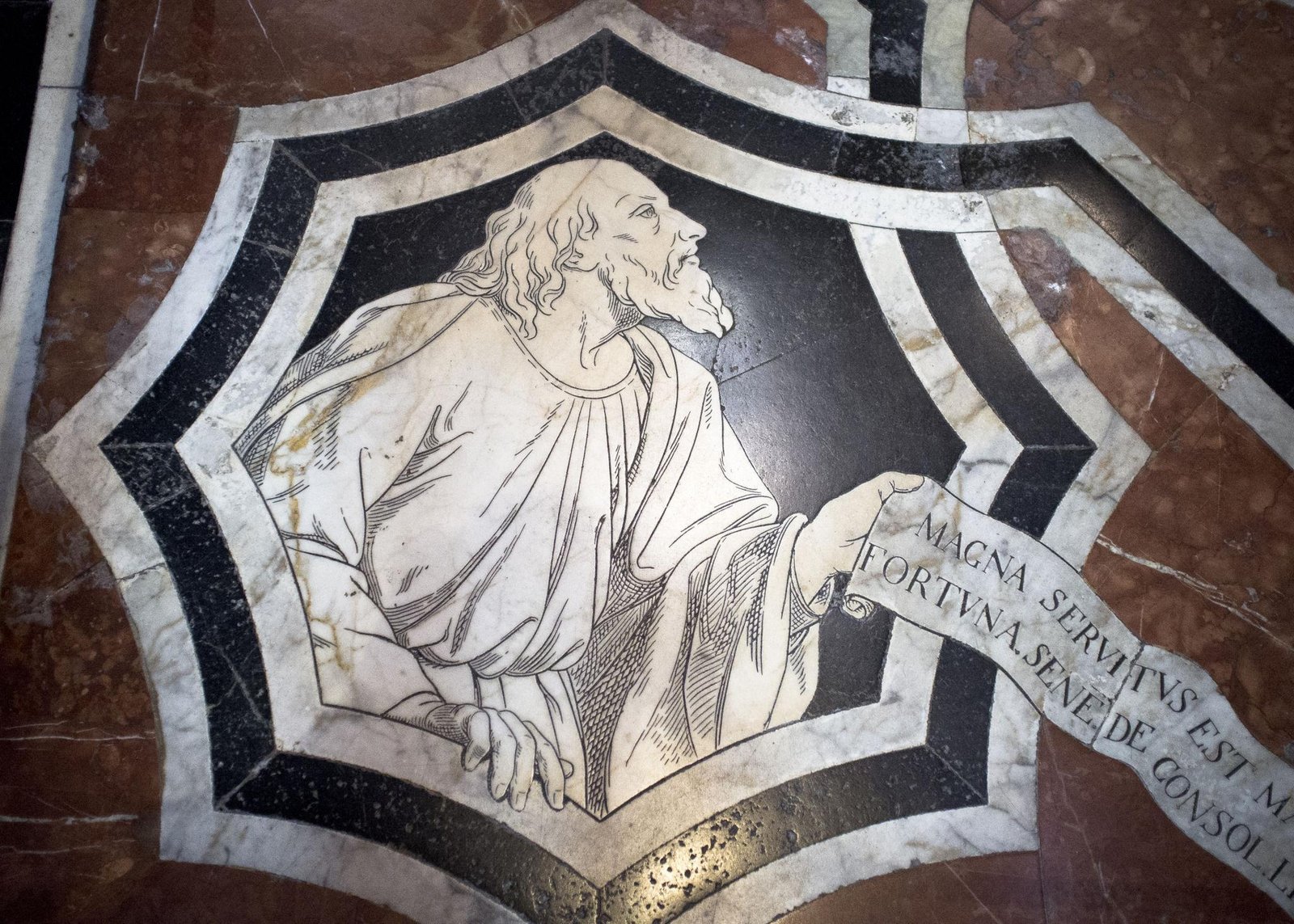
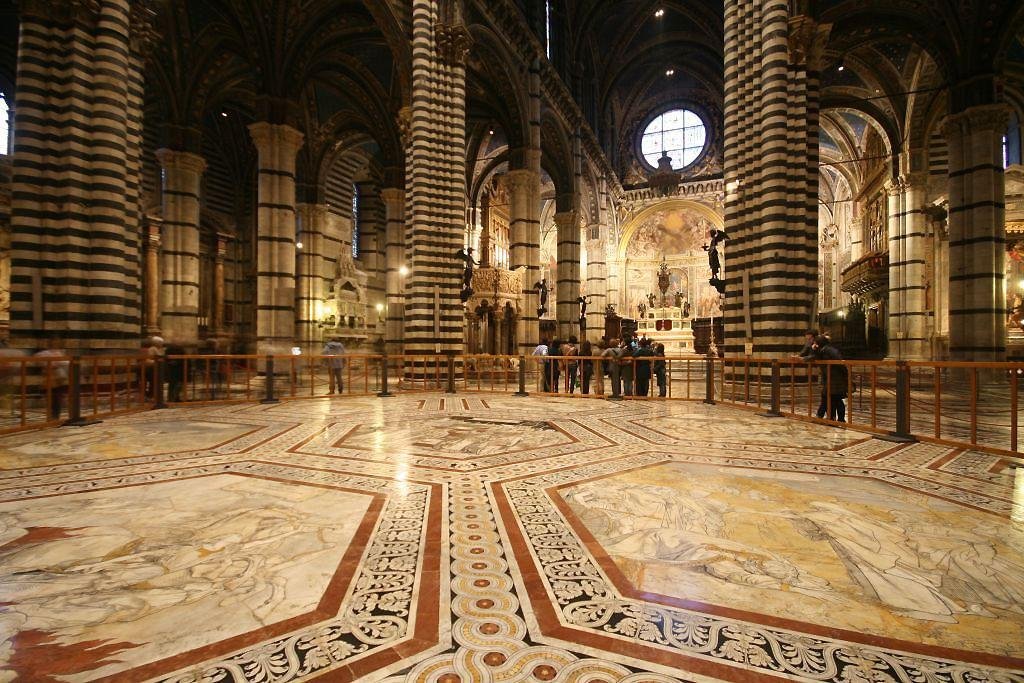
The most overlooked floor tradition in the contemporary design conversation, and perhaps the one with the most to offer a profession currently searching for ways to connect the built environment to the natural and cultural world, is the tradition of the intarsia floor, the use of contrasting stone inlays to create patterns and images that carry specific iconographic meaning. The intarsia floors of the great Italian cathedrals, most spectacularly the Cathedral of Siena, whose floor of fifty-six marble panels depicting scenes from the Old Testament, the Sibyls, and the history of the church was laid over a period of nearly two centuries, from 1369 to 1547, with Pinturicchio and Beccafumi among the artists who contributed to it, are among the most ambitious works of decorative art produced by any civilization, and they are floors. They are covered with wooden boards for most of the year to protect them from the foot traffic of the tourists who visit the cathedral daily, which means that one of the most extraordinary floors in the world is, for practical reasons, a surface that almost nobody walks across, and the irony of this situation captures something important about the relationship between the contemporary world and the tradition it has inherited. We protect the floor by preventing people from experiencing it as a floor, which is to say by removing from it the one quality that makes it specifically and irreplaceably what it is.
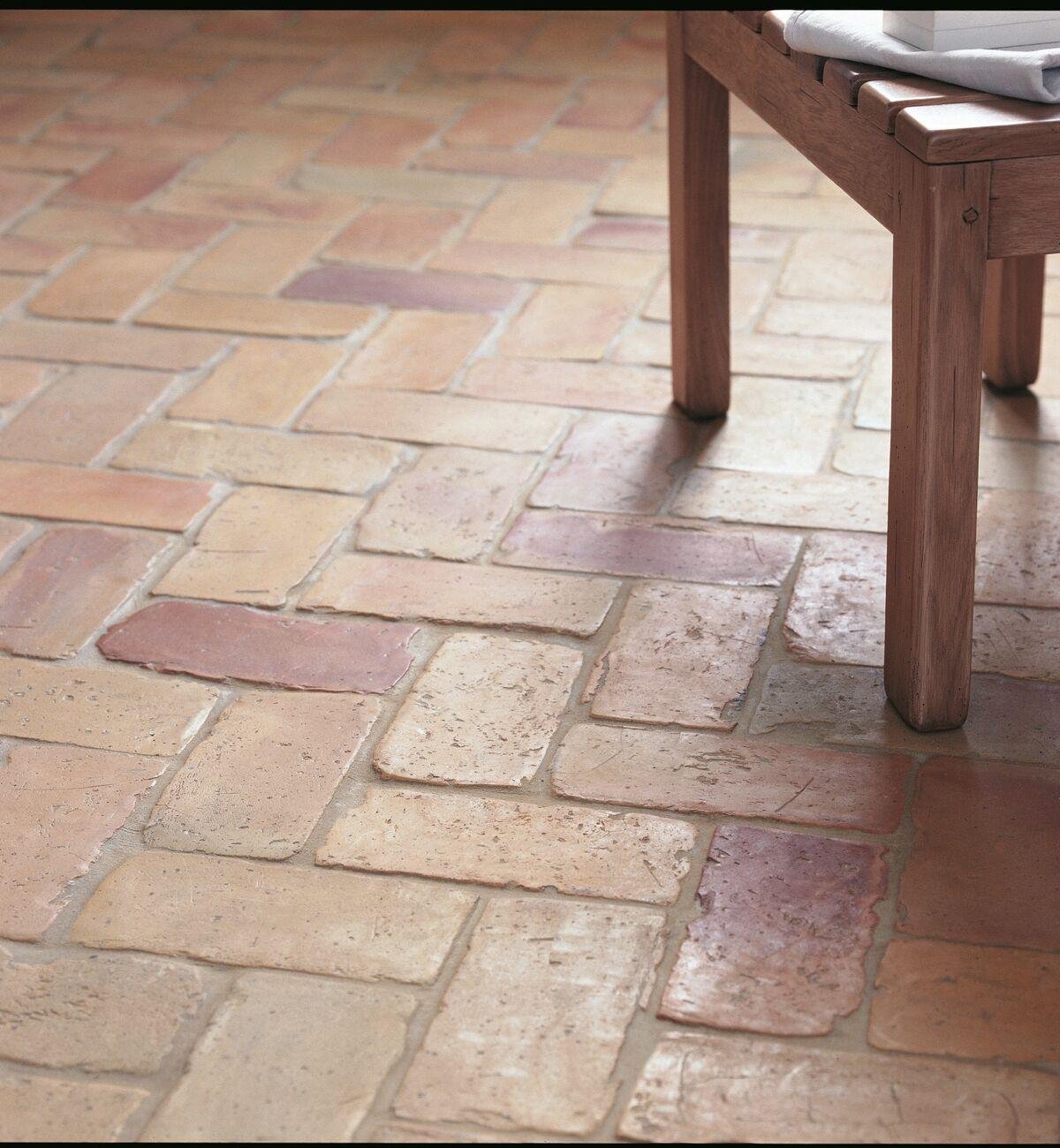
The contemporary luxury design market’s current interest in natural stone floors, in the travertine and limestone and marble and the handmade brick and the terrazzo that have been appearing with increasing frequency in high-end residential and hospitality projects across Europe and North America and increasingly in India and the Middle East, reflects an intuition about the relationship between material and experience that the tradition from the Roman mosaic to the Querini Stampalia brick floor has always understood. Natural stone floors carry the weight of the geological world beneath a space, and the body registers that weight even when the mind does not consciously notice it. Walking across a floor of genuine travertine is a different physical experience from walking across a porcelain tile printed to resemble it, not because the eye can necessarily tell the difference but because the body can in the thermal mass of the surface, in the acoustic quality of the footfall, and in the slight variations of texture and color that remind the body continuously that it is in contact with something formed by natural processes rather than manufactured to simulate them. The floor is the surface through which the building speaks most directly to the body, and it speaks most clearly when it is made of materials that have their own genuine character rather than borrowed character.
The floor will always be there, underfoot, whether the architect has thought about it seriously or not. The difference between a floor that has been considered and one that has merely been specified is the difference between a space that works on the body from below as well as from every other direction, that holds the experience of a room together from its foundation, and a space that leaves the body in contact with a surface that has nothing to say. Every tradition that has built seriously has understood this. The Pompeian mosaic maker, the Islamic geometric tile worker, the Japanese tatami craftsman, the Tuscan bricklayer, and Scarpa working out his brick and stone patterns for the Querini Stampalia: all of them were designing from the ground up, in the most literal sense. The floor is the most permanent decision in any interior. It is worth treating it as such.
