
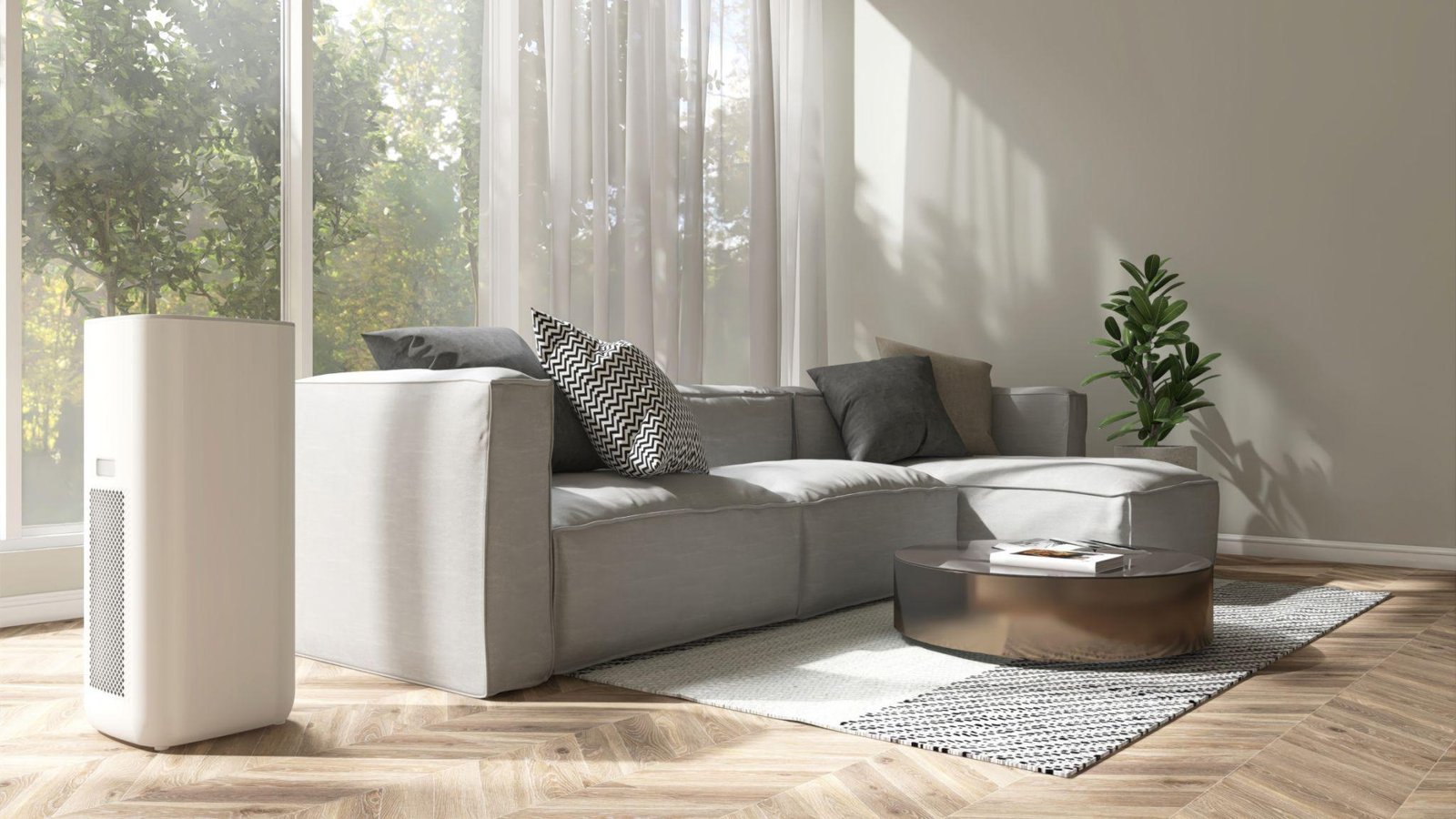
The eleven purifiers covered in this guide appear in random order — there’s no ranking implied by their sequence. That’s intentional, because the “best” purifier isn’t a fixed answer; it depends on your room size, your budget, and the specific air-quality problem you’re trying to fix. A unit that’s perfect for a small bedroom would be both overkill in price and underpowered in a large living room. So the smarter approach is to understand what your space actually needs first, and only then look at specific models — not simply pick whichever one is listed first.
Why this matters isn’t really debatable. Several of India’s cities rank among the most polluted in the world, and every winter — especially in the north — PM2.5 levels routinely spike well past what the WHO considers safe, getting worse during stubble-burning season when Delhi’s air turns genuinely dangerous. A purifier can’t fix the air outside your home. But inside a closed room, it can meaningfully improve what you’re breathing for the many hours a day you spend indoors.
The specs that actually matter
Purifier marketing throws a lot of numbers at you, and most of it is filler. In reality, four factors determine whether a purifier will work for your home — everything else is secondary.
Filtration. Look specifically for “True HEPA,” and ideally the H13 grade, which filters out roughly 99.95% of fine particles down to 0.3 microns — the size range most relevant to PM2.5. Watch out for vague labels like “HEPA-type” or “HEPA-like,” which usually signal a weaker H11 grade capturing closer to 95% — a real difference when pollution is at Delhi levels. H13 should be your baseline. Homes with severe asthma or other respiratory conditions may want to go further with H14, though that’s excessive for most households. Equally important — and often ignored — is a real activated carbon layer, since HEPA filters trap particles but do nothing for gases, cooking smells, or smoke. In Indian kitchens, that carbon layer wears out faster than the indicator light suggests, so it needs replacing on a schedule.
CADR (Clean Air Delivery Rate). This tells you how much clean air the machine can actually push out per hour, and it’s arguably the single most useful spec on the box — a great filter is useless if the fan can’t move enough air through it. For a bedroom around 130–150 sq ft, look for a CADR of 200+. For a living room in the 250–350 sq ft range, aim for 300 or higher. Below roughly 180, a purifier is barely doing anything meaningful against serious pollution.
Matching CADR to your room. Manufacturers tend to overstate coverage, so it’s wise to discount their claimed room size by about 30% and shop based on your real room, not the marketing number. A rough rule of thumb: multiply the CADR by about 1.5 to estimate the largest room (in sq ft) the unit can realistically handle. Buying too small is the most common mistake — an undersized purifier runs constantly at full (and loud) power, cleans slowly, burns through filters faster, and ends up costing more to run.
Running costs. Electricity use is usually minor, but filters are a recurring cost most buyers don’t think about upfront — typically replaced every 6–12 months at around ₹1,500–₹4,000 depending on the model. Check filter prices and availability before buying, because a cheap purifier with expensive or scarce filters can cost more over a few years than a pricier one with affordable, long-lasting filters.
A few practical notes before you buy
Placement matters more than people think. A floor-standing unit performs best near the center of a room rather than pushed into a corner behind furniture — the closer to the middle, the more air it can circulate effectively. If a corner is your only option due to power outlets, know you’re sacrificing some performance.
Skip the gimmicks. Ozone-generating purifiers — sometimes marketed as producing “fresher” air — can actually worsen asthma and respiratory issues, so avoid them altogether. Ionizers deliver mixed results and shouldn’t be relied on instead of proper filtration. A UV stage can be a nice extra if germs are a specific concern, but HEPA and carbon filtration are what actually do the heavy lifting.
Be clear about your priorities. For a bedroom, prioritize a quiet unit — under about 28 decibels — since it’ll run overnight. A strong smoke-specific CADR matters most if you cook often or live somewhere winters get severe. And if you’re paying extra for sleek design, quiet operation, or built-in air circulation, that’s a legitimate reason to spend more — just be clear that’s what the premium is buying you, not necessarily better filtration.
11 purifiers worth a look (unranked)
Prices shift constantly with sales, so treat the figures below as rough guidance and check current pricing before purchasing.
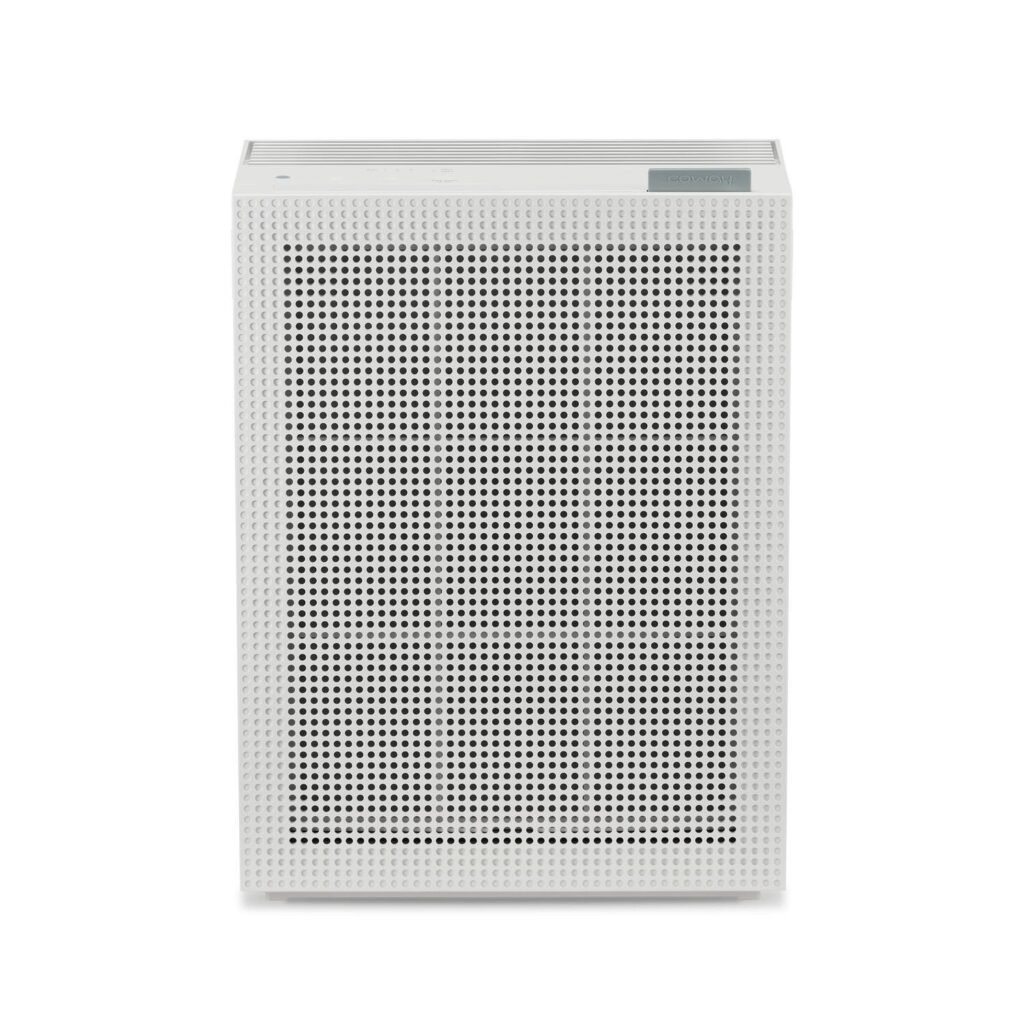
Coway Airmega 150 — A well-regarded all-rounder: True HEPA H13, CADR around 303, and notably long filter life. Quiet and cost-effective over time — a solid pick for a bedroom or mid-sized room.
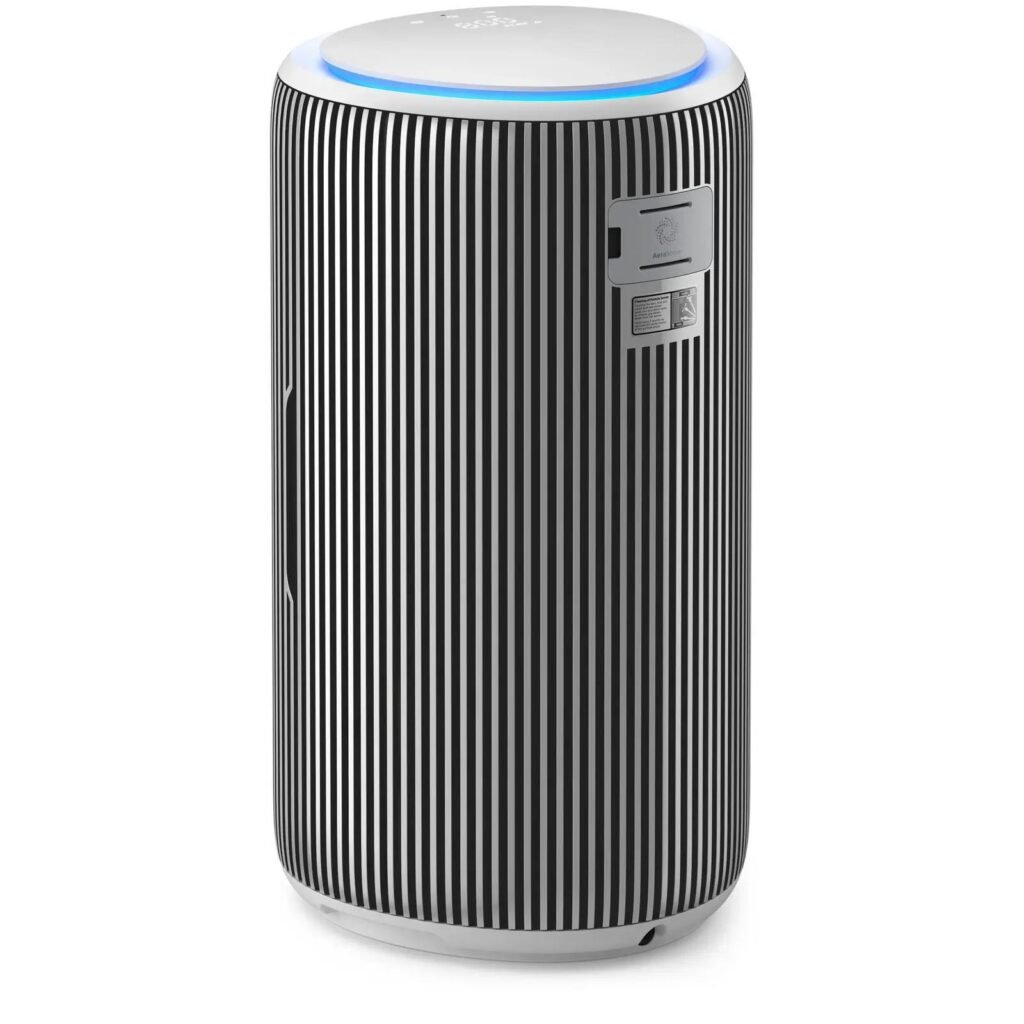
Philips AC3220/60 (PureProtect 3200 series) — One of the higher-output options here at a fair price, with a CADR around 520 and HEPA plus carbon filtration. Rated by Philips for large single rooms and studios — good for bigger spaces a compact unit can’t handle.
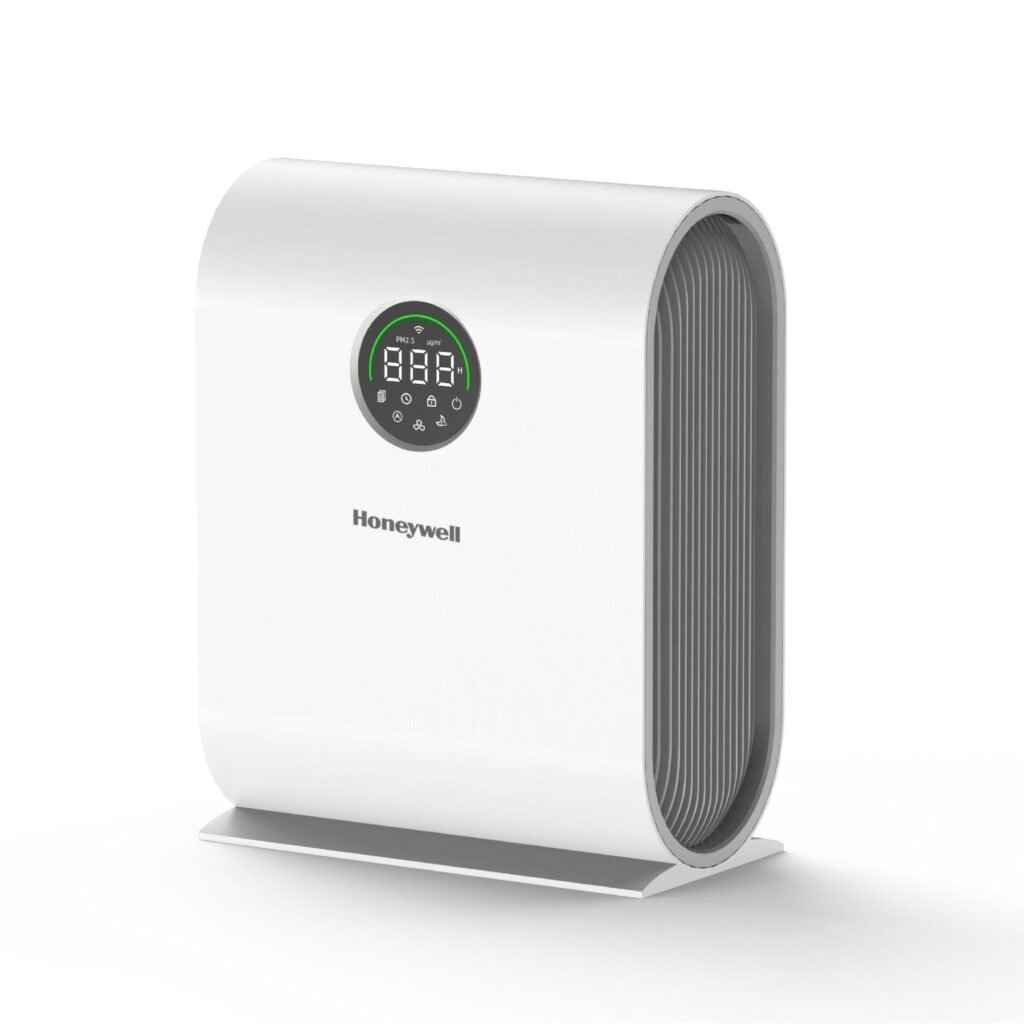
Honeywell Air Touch V5 — A dependable mid-range option with a CADR around 380, long filter life, and a solid track record in heavy northern-India pollution — good for a living room in a high-pollution city.
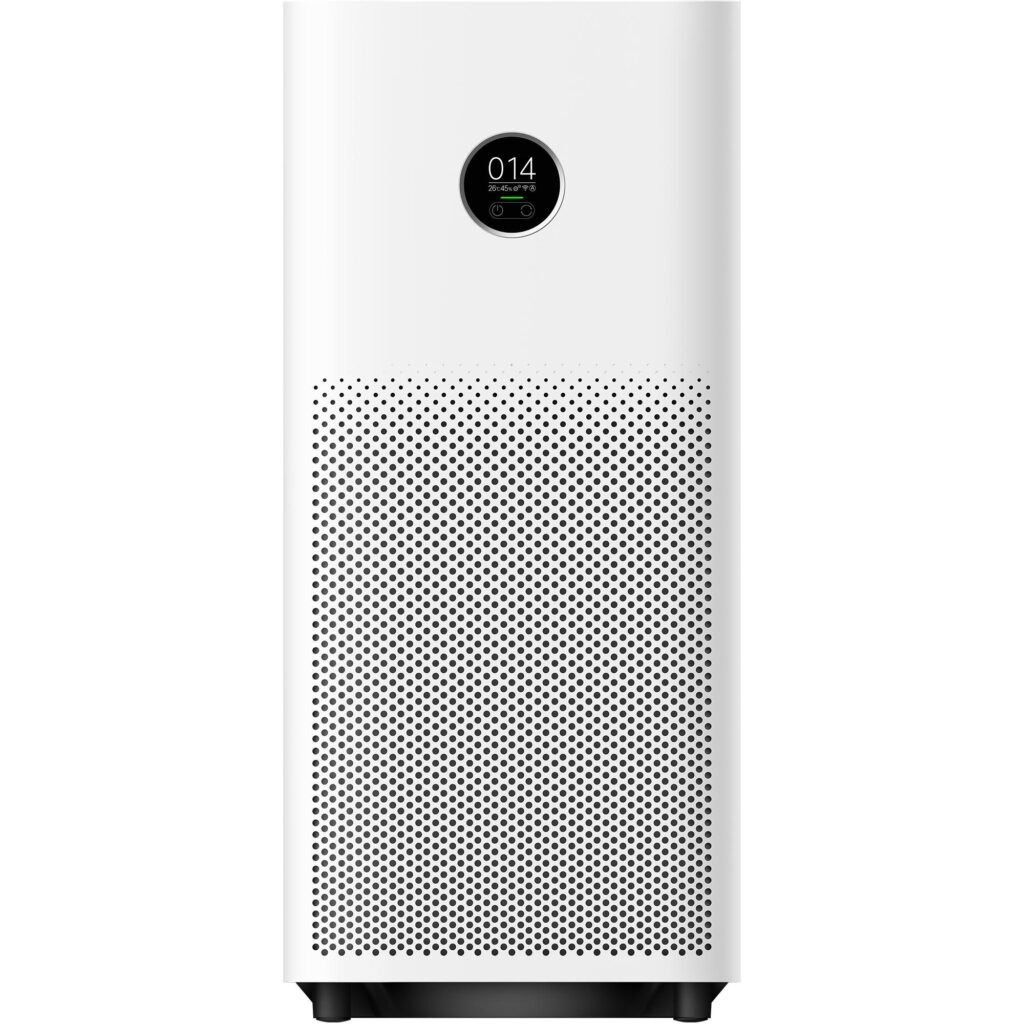
Xiaomi Smart Air Purifier 4 — The smart, budget-friendly pick: CADR around 387–400, full app control with real-time air quality tracking, and some of the cheapest replacement filters available, keeping long-term costs low.
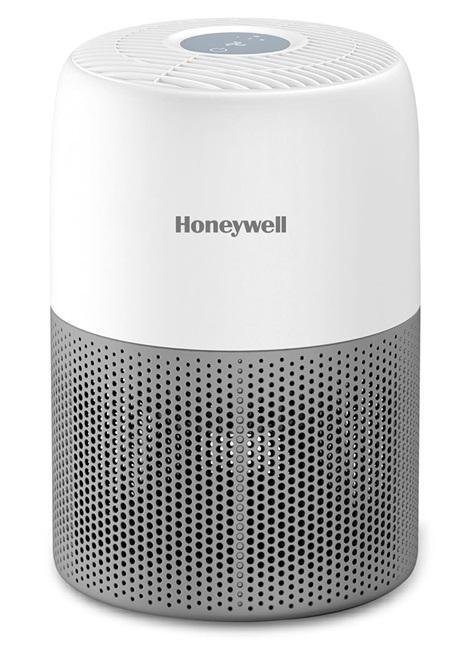
Honeywell Air Touch V1 — The budget pick that still sticks with genuine H13 HEPA. CADR around 152, suited to small rooms. Good for tight budgets that don’t want to compromise on true filtration — just double-check its coverage against your room size.
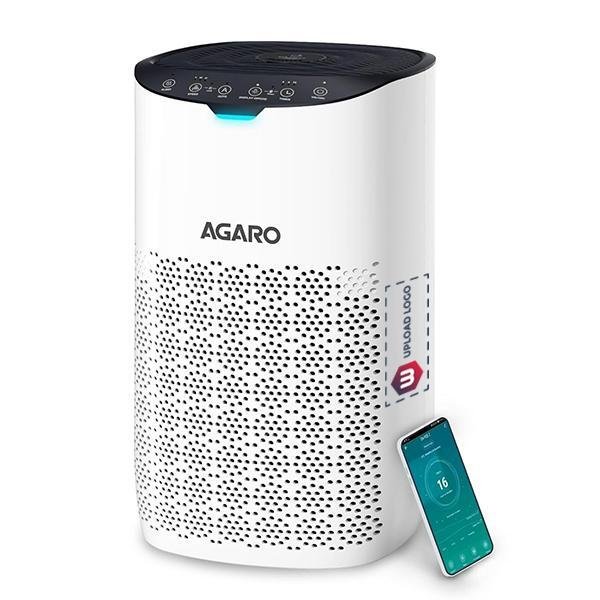
AGARO Royal — A genuinely strong value option: True HEPA H13, CADR around 300, medium-room coverage, and often discounted well below list price — one of the more cost-effective routes to real H13 filtration. AGARO’s step-up Imperial model adds an H14 filter and seven-stage filtration for those wanting more. As with most value brands, confirm replacement filters are easy to find locally before committing.
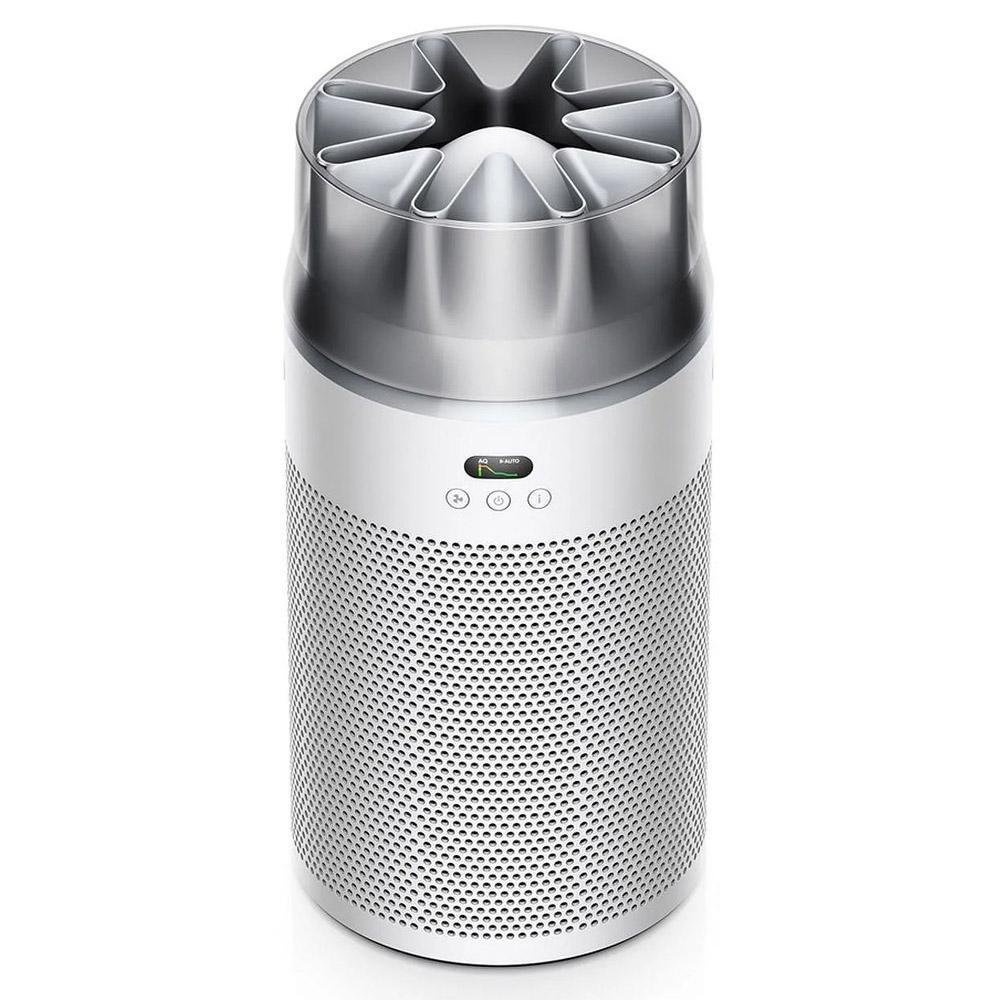
Dyson HushJet Compact HJ10 — The design-forward premium pick, with a sealed electrostatic filter rated 99.97% efficient down to 0.3 microns, very quiet operation, and long filter intervals that make its yearly filter cost more reasonable than the price tag suggests. Worth noting: cheaper machines handle Indian PM2.5 just as effectively, so this makes sense mainly if design and near-silence matter to you as much as air quality.
Coway Airmega 250 — A step up for bigger, more polluted spaces: high coverage, long filter life, and a lengthy warranty built to withstand Delhi’s worst winter months without frequent filter swaps. A sound choice for a large living area in severe pollution.
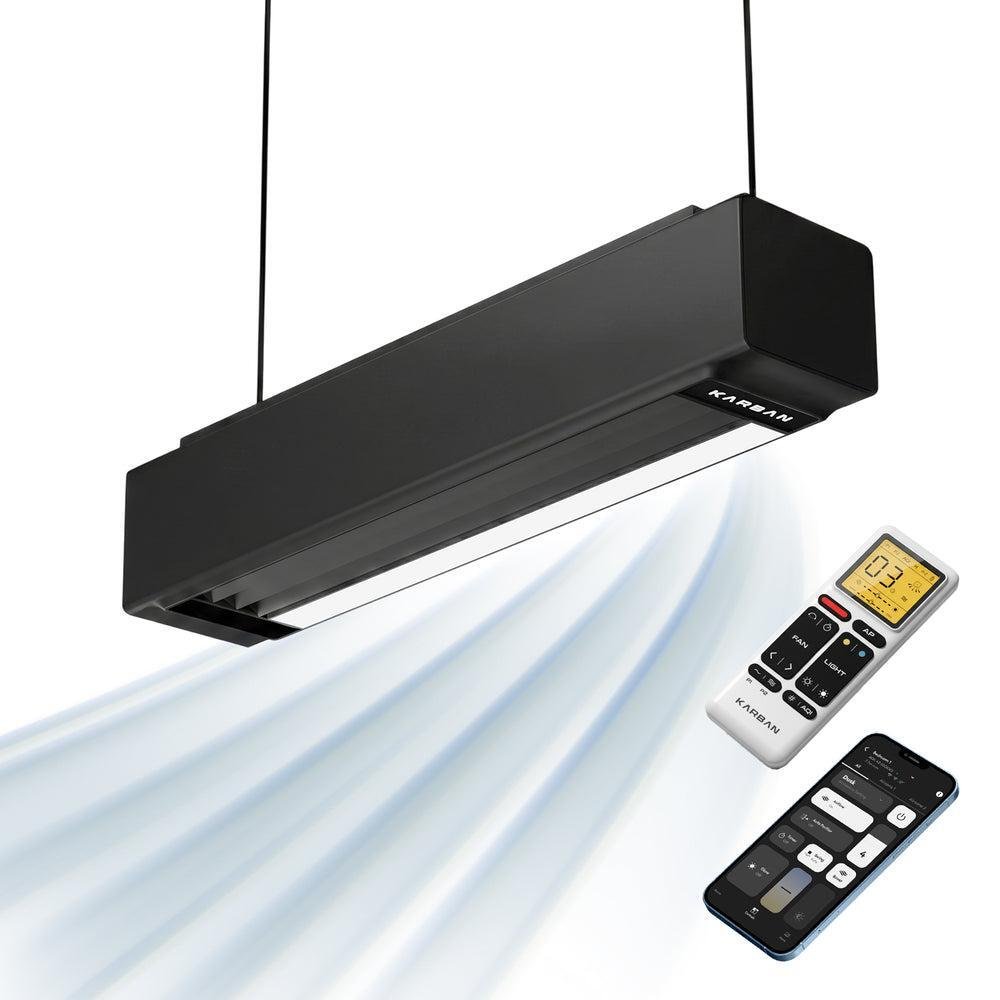
Karban Airzone Pure — A different form factor: a ceiling-mounted purifier that doubles as a bladeless air circulator with a dimmable light, actively pushing air through its HEPA filter instead of sitting still. CADR around 250, zero floor footprint. Good for a permanent, space-saving whole-room solution — it can even replace your ceiling fan and light fixture.
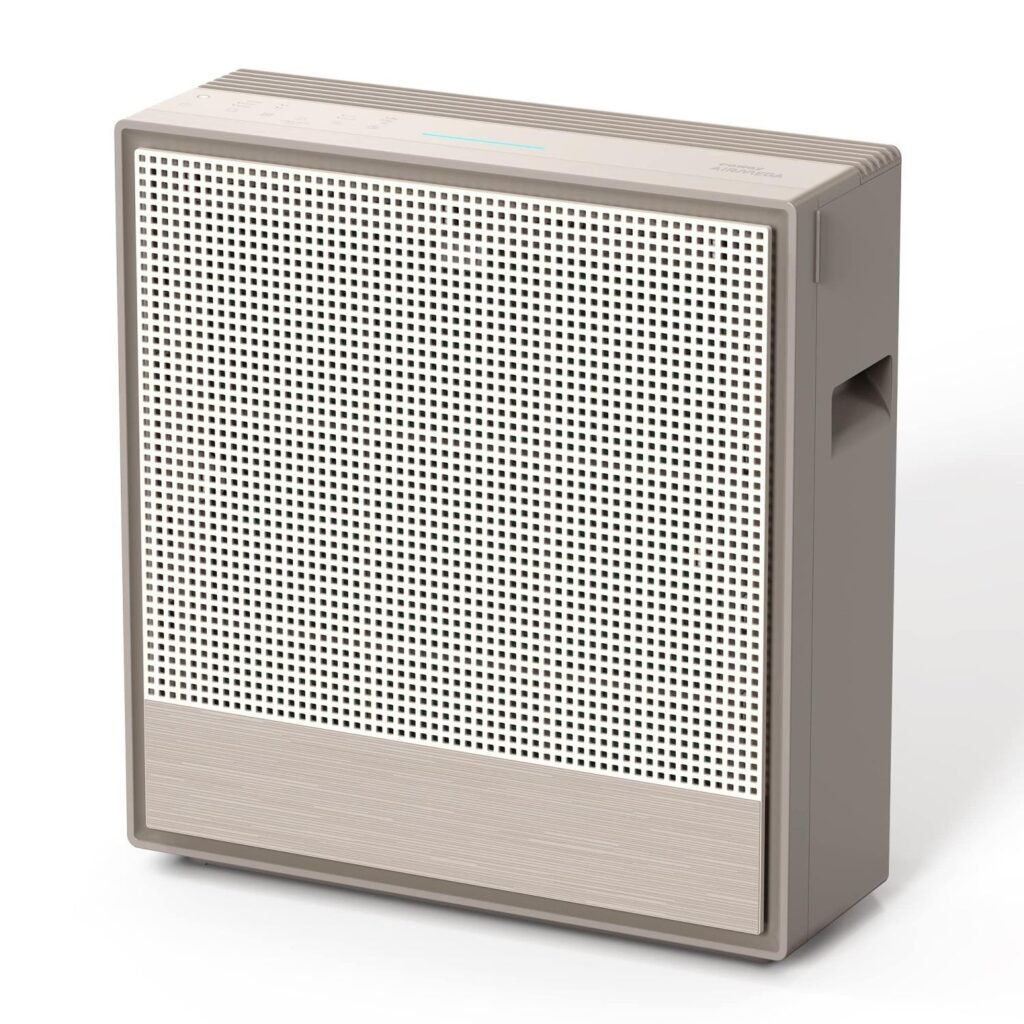
Blueair (mid-tier range) — Worth considering for its strong filtration reputation and a CADR around 400 at an accessible mid-range price. As always, verify the exact spec sheet and current price on the official listing.
Honeywell Air Touch U2 — The pick for the largest rooms, with one of the highest CADR ratings on this list — rated for very large coverage, so a single well-positioned unit can cover an entire open-plan living/dining area instead of needing two machines.
Bottom line
For most households, the sweet spot is a mid-range purifier with True HEPA H13 filtration and a real carbon layer, correctly sized for the room — typically ₹16,000–₹30,000, and good for several years with routine filter changes. On a tighter budget, a value H13 machine like the AGARO Royal or entry-level Honeywell still delivers genuine filtration. For a large or heavily polluted space, it’s worth stepping up to a higher-CADR model rather than overworking a small one. You don’t need to spend ₹40,000 to breathe noticeably cleaner air — a well-matched ₹20,000 machine in the right-sized room will outperform a poorly chosen premium one every time. Prioritize filter grade, CADR, and room match first; let brand and extra features be secondary. That’s ultimately what determines clean air — more than any single model name.
This guide is for general information only. Prices, models, and availability change often — confirm current details on the brand’s official listing before buying.
