
On thirty years of Dutch design, the seriousness of play, and why the most interesting word he has learned recently is brainrot
The most interesting word Richard Hutten has learned recently is “brainrot.” He mentions it with the particular combination of amusement and precision that runs through everything he says, and it is worth sitting with for a moment, because coming from a man whose work has been in production for over thirty-five years, whose objects sit in the permanent collections of more than forty museums worldwide, and who helped found what many consider the last genuinely consequential movement in contemporary design, the observation carries a specific weight.
He designs for the real world, for real people, for objects that need to be felt and touched and smelled, and what he sees happening around him is a design culture increasingly optimized for the twenty-second scroll rather than the thirty-year relationship between a person and the thing they own. Designs are made to be Instagrammable now, he says, and a spectacular look is winning over genuine engagement with real needs, wishes, and desires. He reaches for an analogy that is pointed without being cruel: some people think McDonald’s is the best restaurant in the world. He personally prefers a dinner prepared by a real chef using the best ingredients and their own imagination. True connection, in his view, can only exist in the real world, and he has spent his career making objects that participate in that real world rather than merely representing it on a screen.
This is the position of someone who understood, long before the current conversation about authenticity and meaning in design, that the things worth making are the ones that accumulate value through use and time rather than through visibility. Some of his designs have been in production for more than thirty-five years. The Dombo mug, which no company wanted to produce when it was first shown, has now sold over a million units worldwide, and he still receives inquiries from manufacturers wanting to make it. Last year, early pieces from the collection of the late Karl Lagerfeld were shown and sold at an exhibition in Paris. People encountered work that was decades old and experienced it as fresh, almost as if it had just been made. That kind of response, he says, is incredibly meaningful, and it confirms something he has believed since he was a student: being original and sincere is the only way to stay relevant and meaningful for a long period of time.
“I do not follow trends; I make them.”
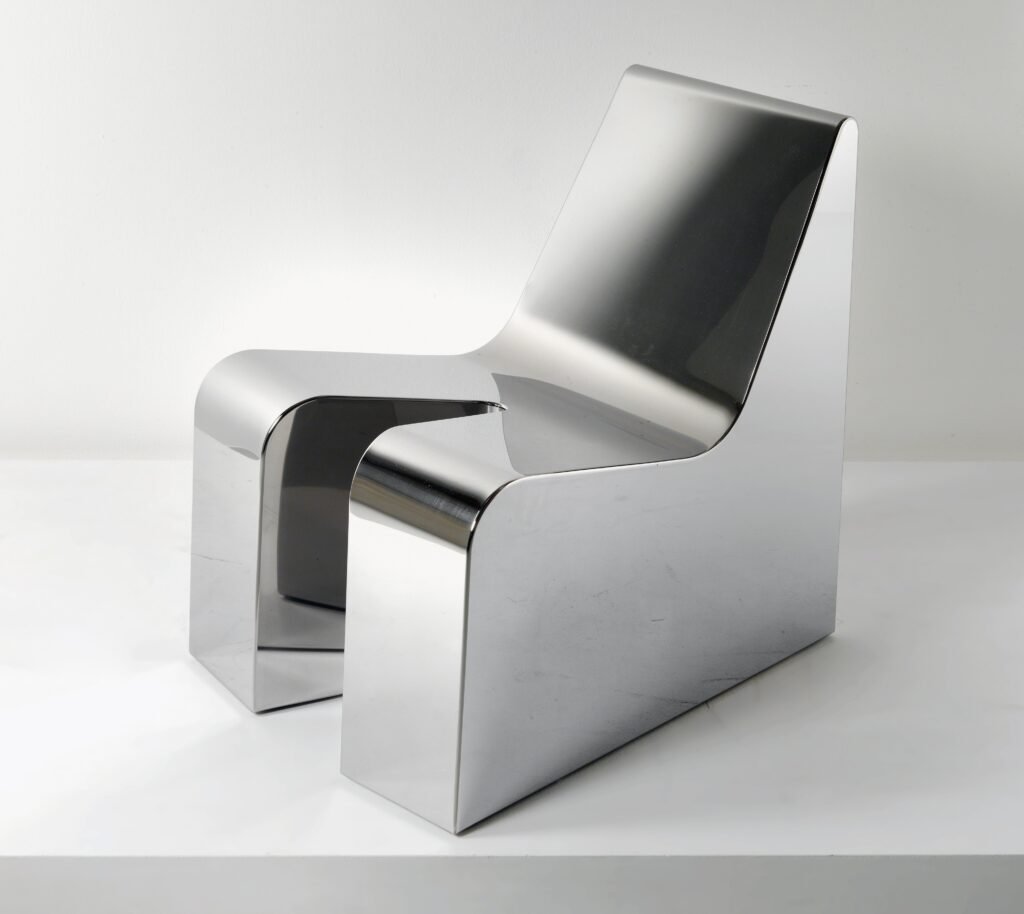
He arrived at this conviction early. His graduation work from the Design Academy Eindhoven in 1991 was a table-chair, a single object that collapsed the distinction between two familiar forms, and it was subsequently displayed in twenty museums worldwide, which is an unusual trajectory for a graduation piece and a clear early signal of what kind of designer he was going to be. He opened his studio in Rotterdam the same year and two years later, in 1993, presented his work at Milan Design Week for the first time alongside a small group of Dutch designers, Hella Jongerius and Marcel Wanders among them, under the name Droog Design.
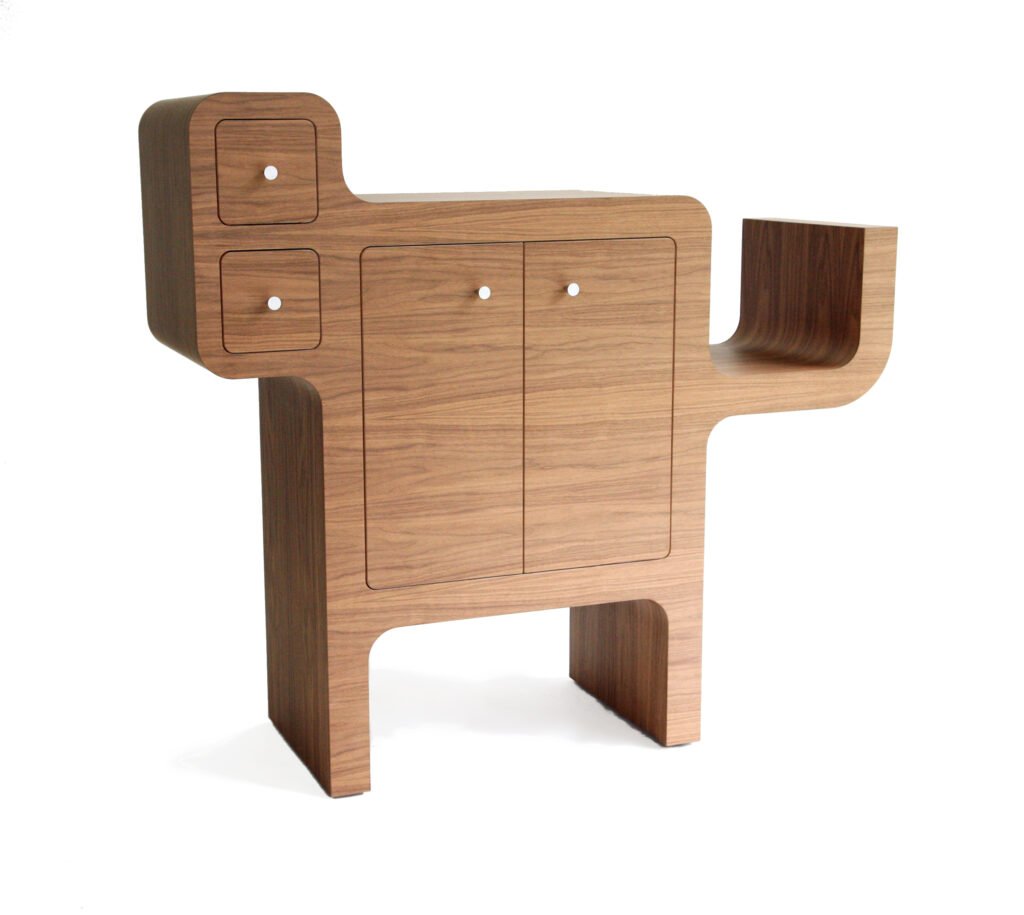
What they showed was unlike anything else at the fair that year; the work concerned not how things looked but the ideas, questions, and stories that gave them their reason for existing, and the design community that encountered it recognized immediately that something different had arrived. By the week’s end, the presentation was so crowded that movement through the space was impossible, with news spreading solely by word of mouth in an age without the internet. By the time the week was over, they were the talk of the town.
Droog Design became one of the most significant movements in contemporary design, and Hutten has described it, without false modesty, as the last real movement the field has produced. In the eighties there was Memphis. In the nineties there was Droog. Since then, he argues, there has been no movement of comparable significance in design, art, or architecture. The point he is making is less about self-promotion than about the rarity of genuine conceptual rupture, about how infrequently something arrives that genuinely changes what is possible to think and make within a discipline. Design had been mainly about aesthetics and beauty, he says. Droog added humor, social awareness, and sustainability to the equation. They stirred up the design community with a human-centered approach, and the design community has not fully recovered from the stirring, which is precisely the point.
He does not follow trends and is very clear about this. He makes them. Clients come to him not to solve a problem but because they are interested in his perspective, and that distinction matters enormously to him. Design has traditionally been framed as problem-solving, a definition that has never satisfied him because it positions the designer as reactive, as someone who begins with what already exists rather than with what could. His own formulation is the one he has held to throughout his career: he does not solve problems; he creates possibilities. The difference describes a fundamentally different relationship to the design process, one that begins with a concept, with what he calls defining the rules of the game, before anything else happens. Once the rules are in place, the play begins.
“I don’t solve problems; I create possibilities.”
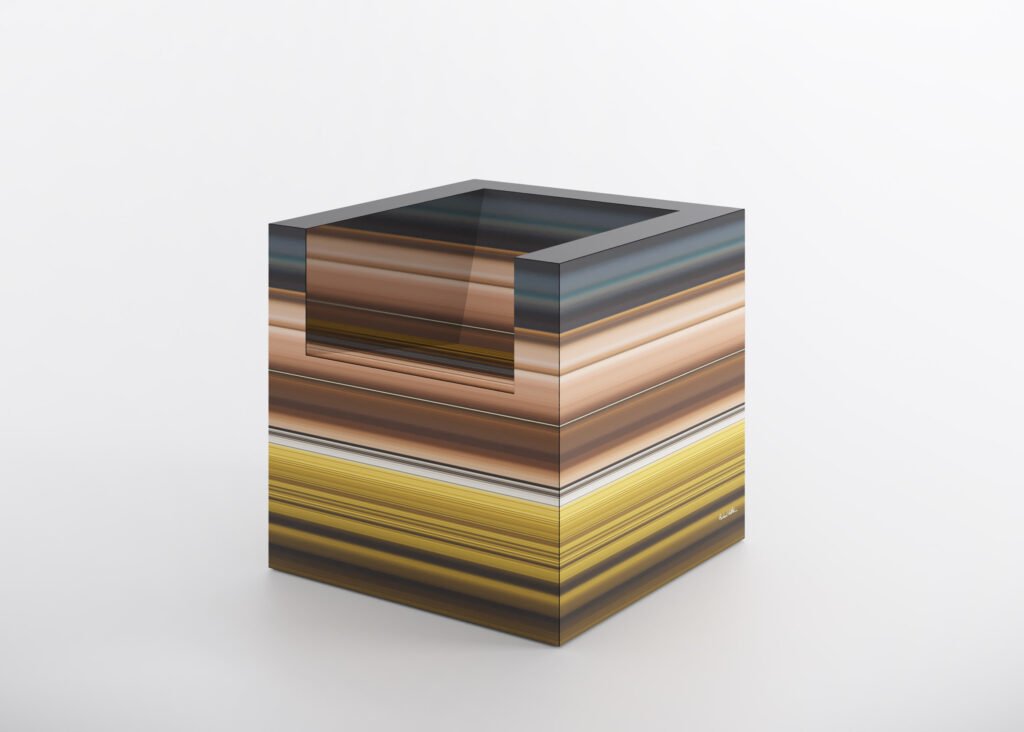
Play is central to his practice and to his thinking, though not in the way the word is sometimes understood when applied to design. He is not talking about lightness or whimsy or the absence of seriousness. He is talking about something deeply serious that merely wears the appearance of lightness. The analogy he reaches for is a child with a football: the child does not wait for inspiration to strike before kicking it. He just starts to kick and sees where it ends. That, Hutten says, is how he designs. You begin, you move, and the direction becomes clear through the movement rather than before it. But play without stakes is not play, which is why he also points to the rules: they matter, the boundaries matter, and the concept that precedes the experimentation gives it its direction and its meaning. Freedom without structure produces distraction. Structure that allows for freedom produces design.
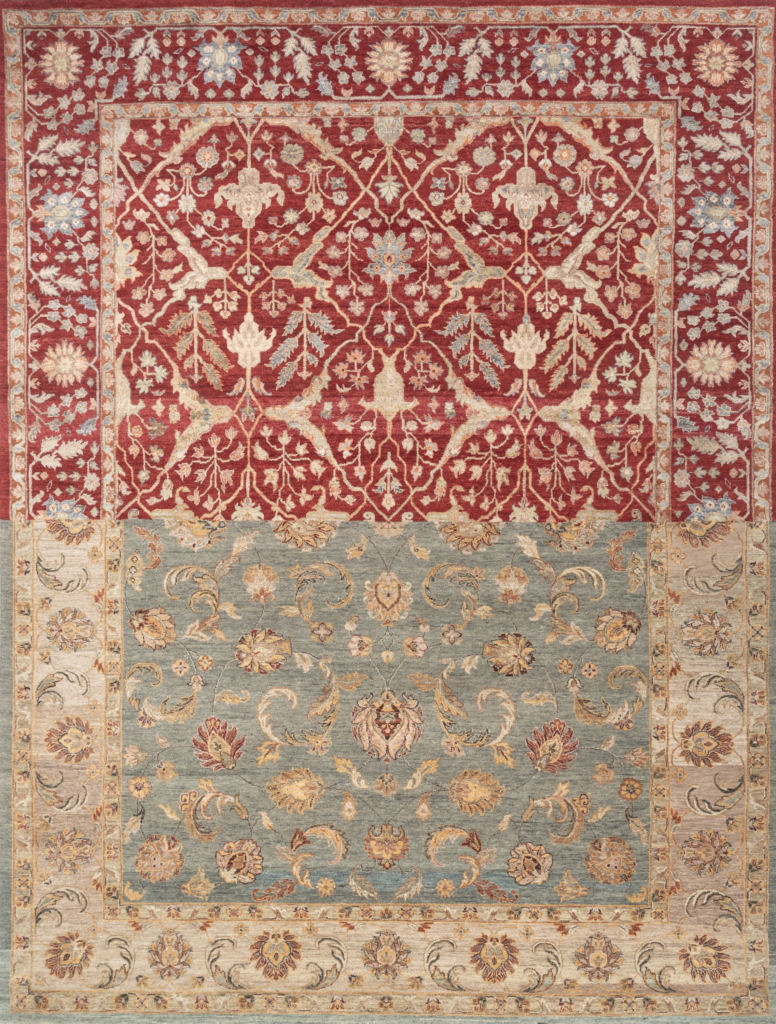
This is why his work can be simultaneously approachable and intellectually rigorous, why it carries a quality that invites people in immediately while rewarding sustained attention over time. The Dombo mug is the most direct expression of this. He designed it with his young son in mind, wanting to create a mug as large and generous as the child himself, and the disproportionately big handles that resulted turned out to also make it more ergonomic and easier to hold for young children and people with limited mobility, an accidental rightness that he did not plan for and that the object delivered on its own. When it was first shown publicly, a child came to the booth, saw it, grabbed it, and refused to let go. The mother had no choice but to buy it. No company had wanted to produce it when he first presented it. The world eventually caught up.
His thinking about play draws explicitly on the Dutch historian Johan Huizinga’s concept of homo ludens, the playing human, which Hutten places at the end of a progression that moves from homo sapiens to homo faber to homo ludens: from thinking to making to playing. The final form of any project always follows the concept rather than being imposed from outside, and whether he is working on furniture, a public installation, or an interior, the underlying approach remains continuous. The disciplines have never felt separate to him. They are all different ways of expressing ideas and creating experiences that offer both joy and intellectual engagement simultaneously, and it is that combination, the joy and the intellect together, that he believes design at its best is capable of and currently failing to pursue.
“I cherish the child in me who wonders every day about the world around him.”
His work is held in the permanent collections of over forty museums worldwide, among them MoMA New York, the Victoria and Albert Museum in London, the Vitra Design Museum, and the Stedelijk Museum Amsterdam. Some of his designs have reached audiences of hundreds of thousands, in some cases millions, not by following what was current but by holding to a clear personal vision and offering something distinctive. Long-term relationships with clients, some of which have lasted decades and become genuine friendships, create the space for dialogue and shared commitment to quality that shorter, more transactional arrangements cannot produce. Since 2008 he has been art director of Gispen, one of the Netherlands’ oldest and most established furniture brands, a role that places his thinking at the center of an institution with nearly a century of history behind it. Earlier this year he was named a judge for the Dezeen Awards 2025, a recognition that positions him precisely where he has always been: at the point where the design conversation is being shaped rather than simply observed.
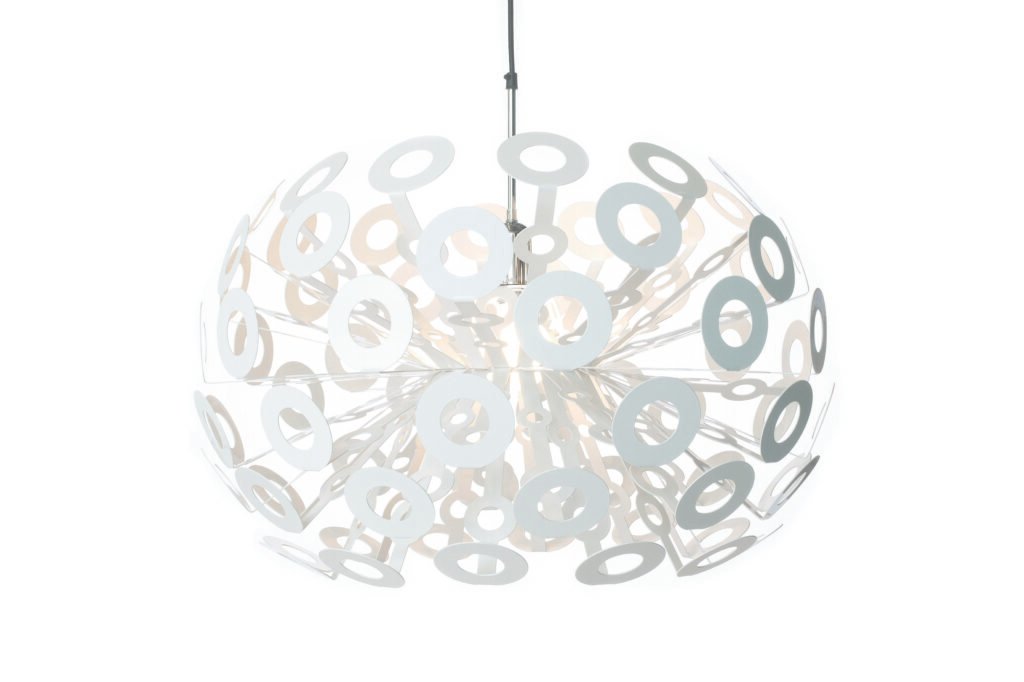
His early work was made when he was young and wild, he says. Now he is older and wiser. But all of it, across thirty-four years and every discipline and scale he has worked in, has been made by the same person, and that person has always been concerned with the same things: love, friendship, connectivity, surprise, joy, beauty, happiness, and meaning. What has remained constant, and what he considers his greatest strength, is curiosity, and alongside it the ability to wonder. He still cherishes the child in him who wonders every day about the world around him, and he says this without irony and without self-consciousness, which is perhaps why it lands as clearly as it does.
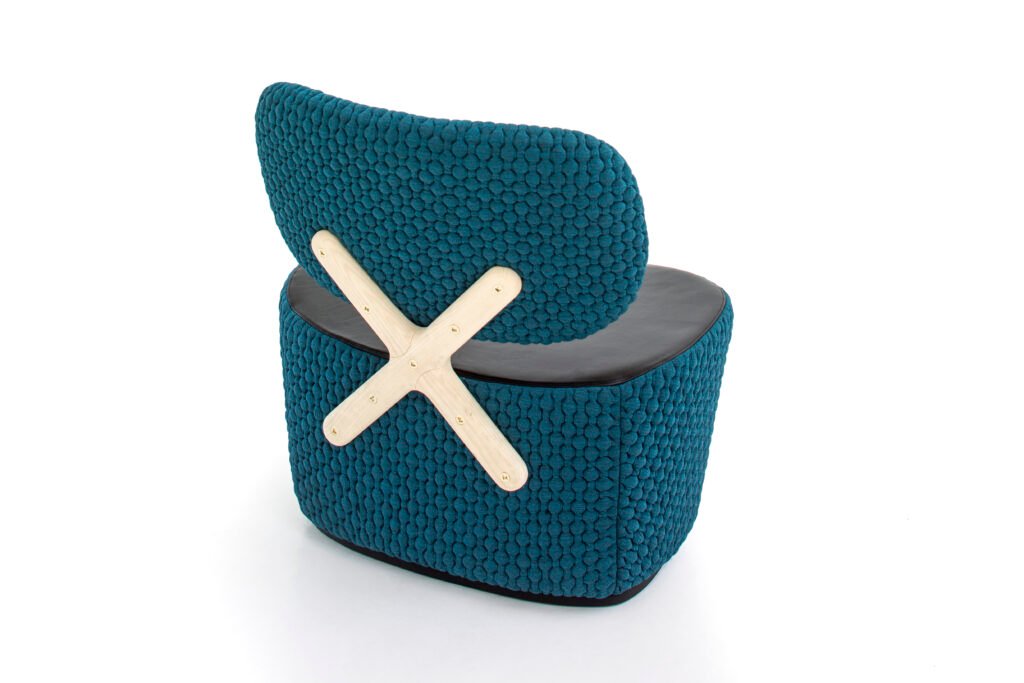
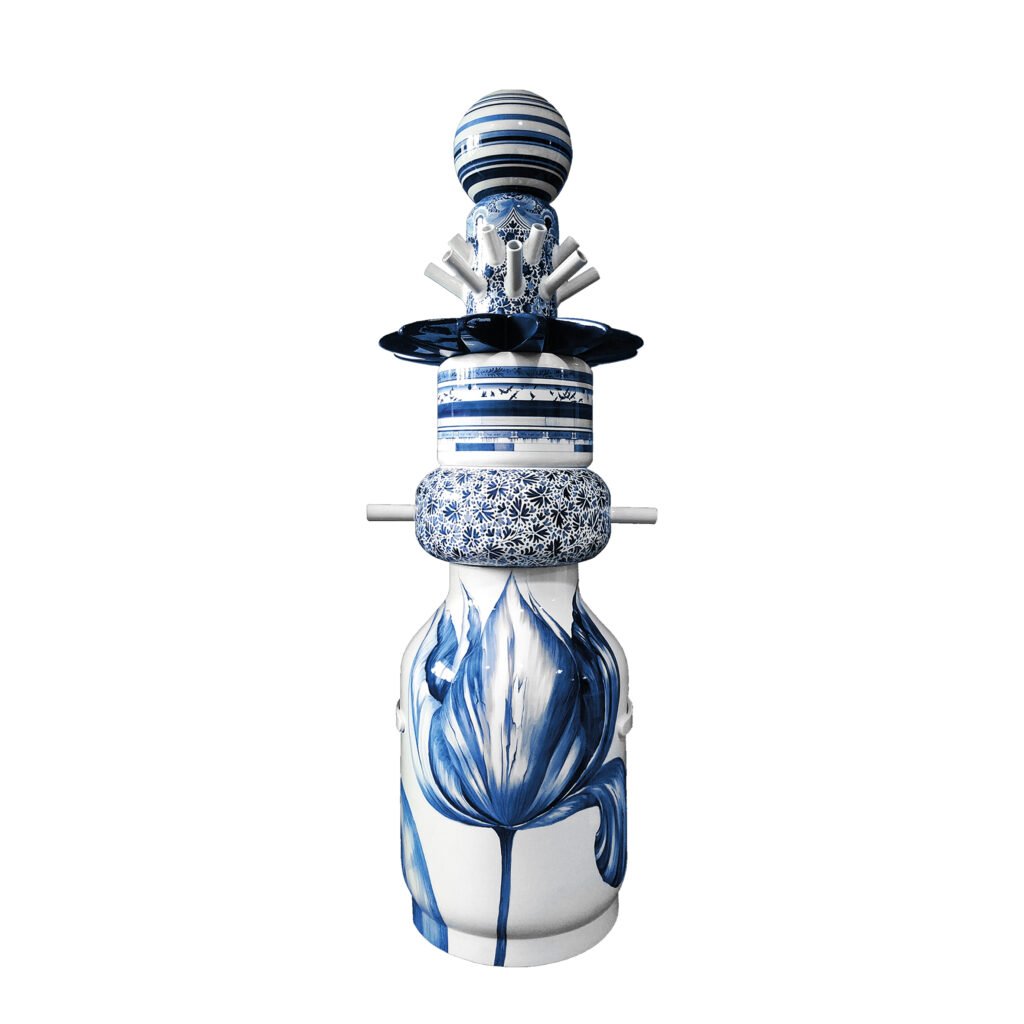
The question that occupies him at this stage of his career is not only about design. It is about how he can leave the world a better place for his children. He is not the kind of person who starts to complain. He wants to take action. The optimist in him hopes that when future generations encounter his work, they understand that you can do good and still enjoy doing so; that seriousness and playfulness are not opposites but necessary conditions of each other; and that brainrot, for all its accuracy as a description of where attention currently lives, is not where it has to stay.
Interview by Shweta
